Volume III · Henotheism → Monotheism
Biblical theophanies
From the cool of the garden to the road to Damascus — every moment the divine becomes visible, audible, or otherwise present, in canonical narrative order. Across these 48 scenes, the figure of God shifts from someone you can wrestle with to a voice in a fire to a "still small voice" to a light no one can look upon. That progression is itself an idea taking shape.


Genesis
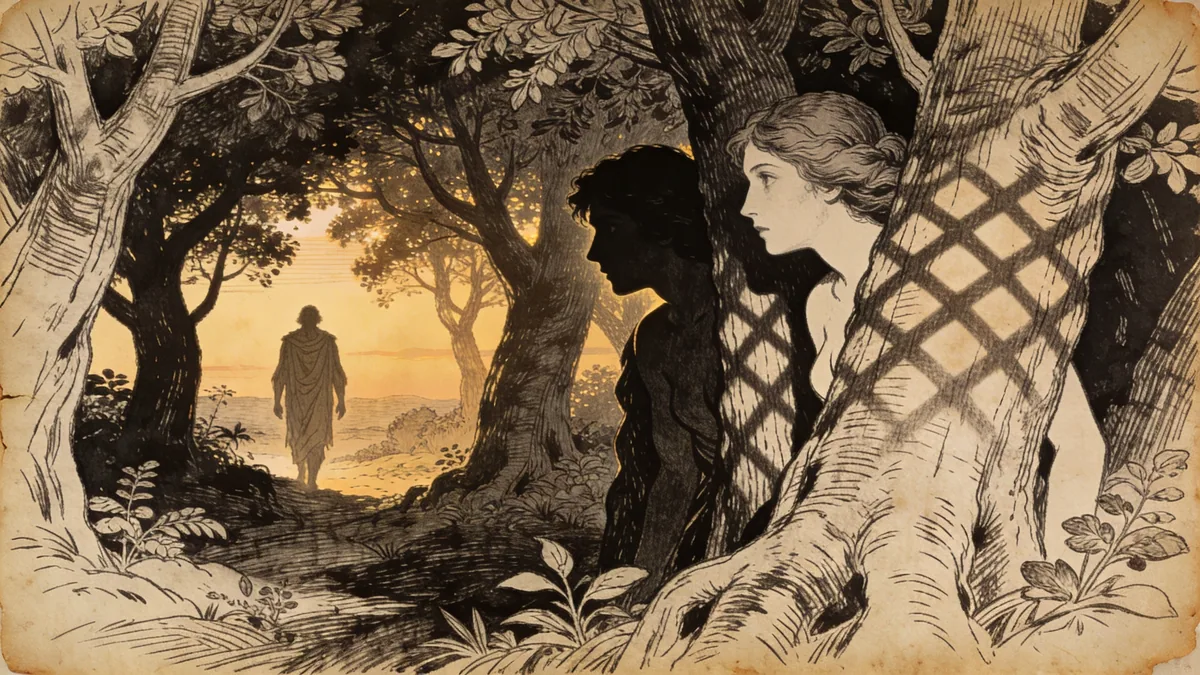
01. Genesis 3:8
God in the Garden
After Adam and Eve eat the forbidden fruit, they hear God “walking” in the Garden of Eden in the cool of the day. This is one of the most anthropomorphic depictions—God portrayed in human-like form—suggesting early intimacy between God and humanity before separation by sin.
4 renderings of this moment in the archive.


Genesis
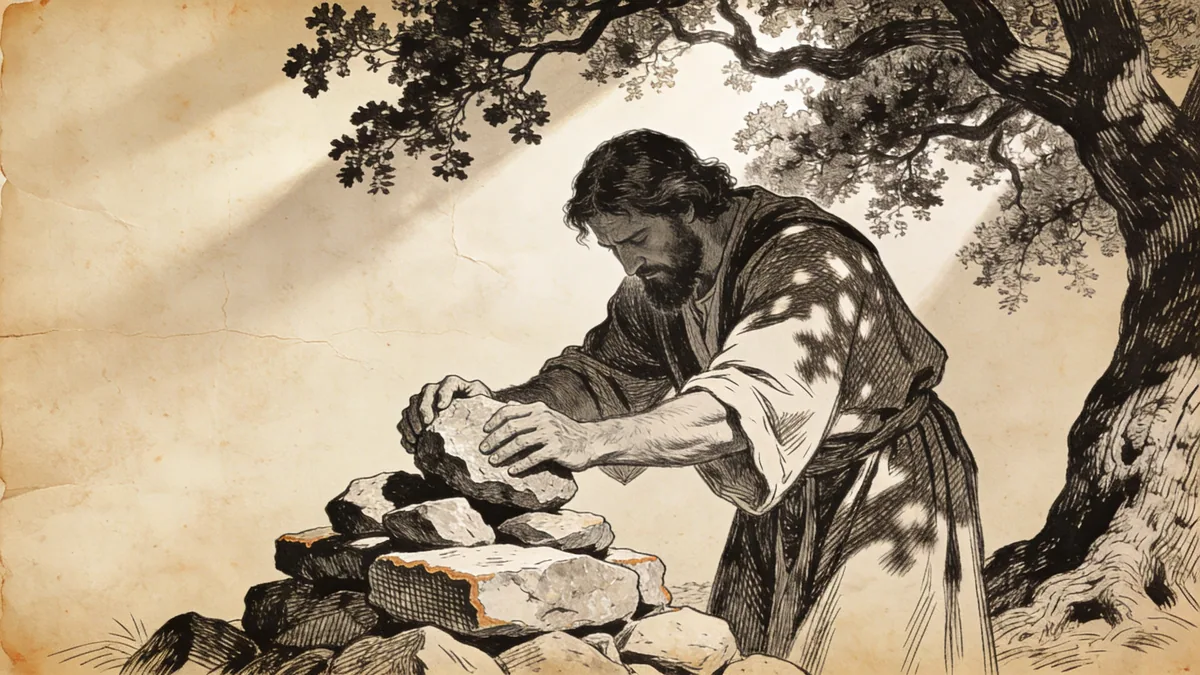
02. Genesis 12:7
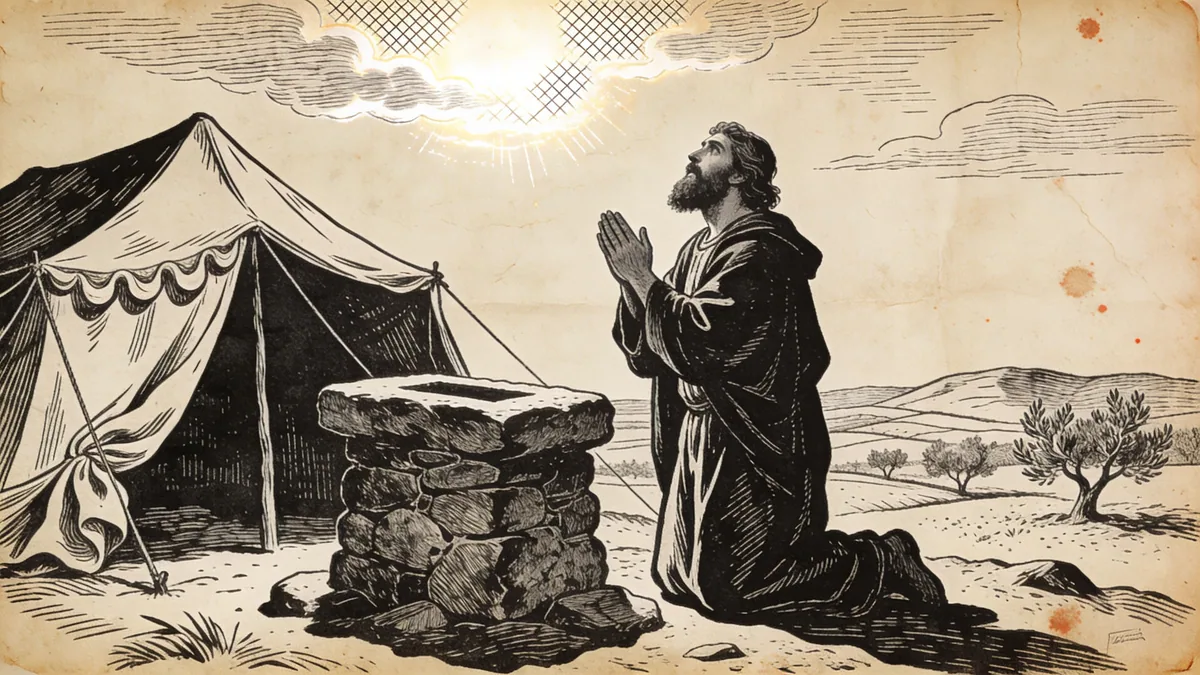
Appearance to Abram
God appears to Abram and promises the land of Canaan to his descendants. This marks the beginning of the covenant relationship, where divine appearance is tied to promise and destiny.
4 renderings of this moment in the archive.


Genesis
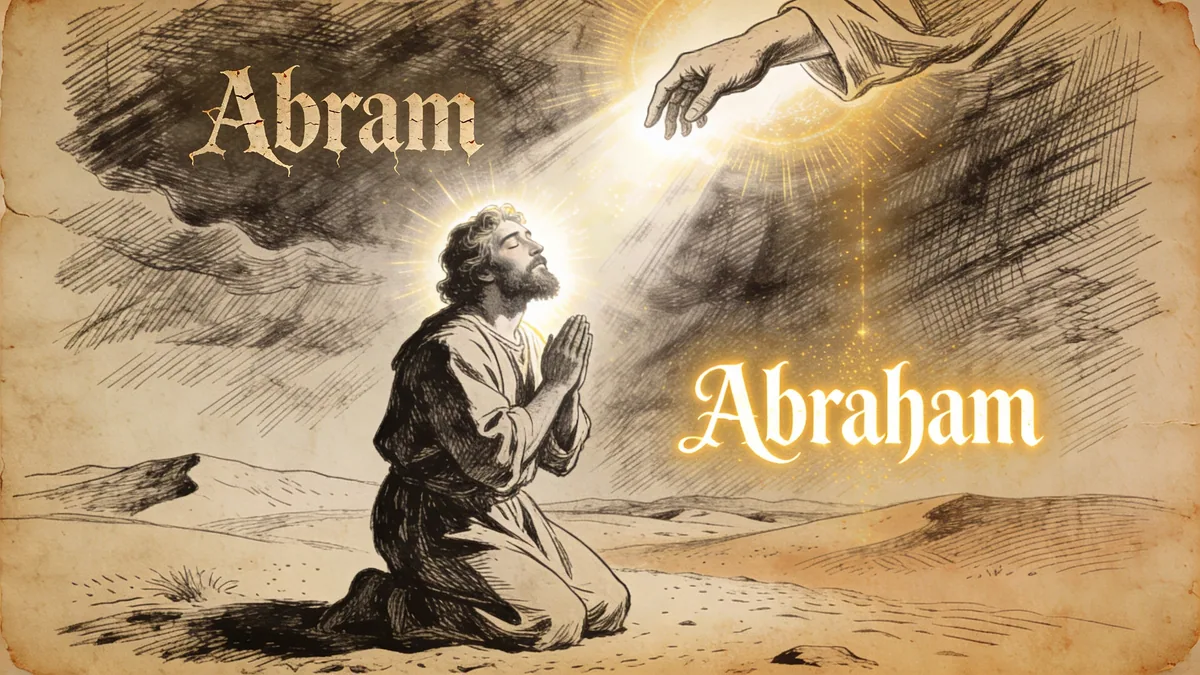
03. Genesis 17:1
El Shaddai Revealed
God appears again to Abram (now Abraham) as El Shaddai (“God Almighty”) and establishes circumcision as a covenant sign. The emphasis here is authority and power, not visible form.
4 renderings of this moment in the archive.


Genesis
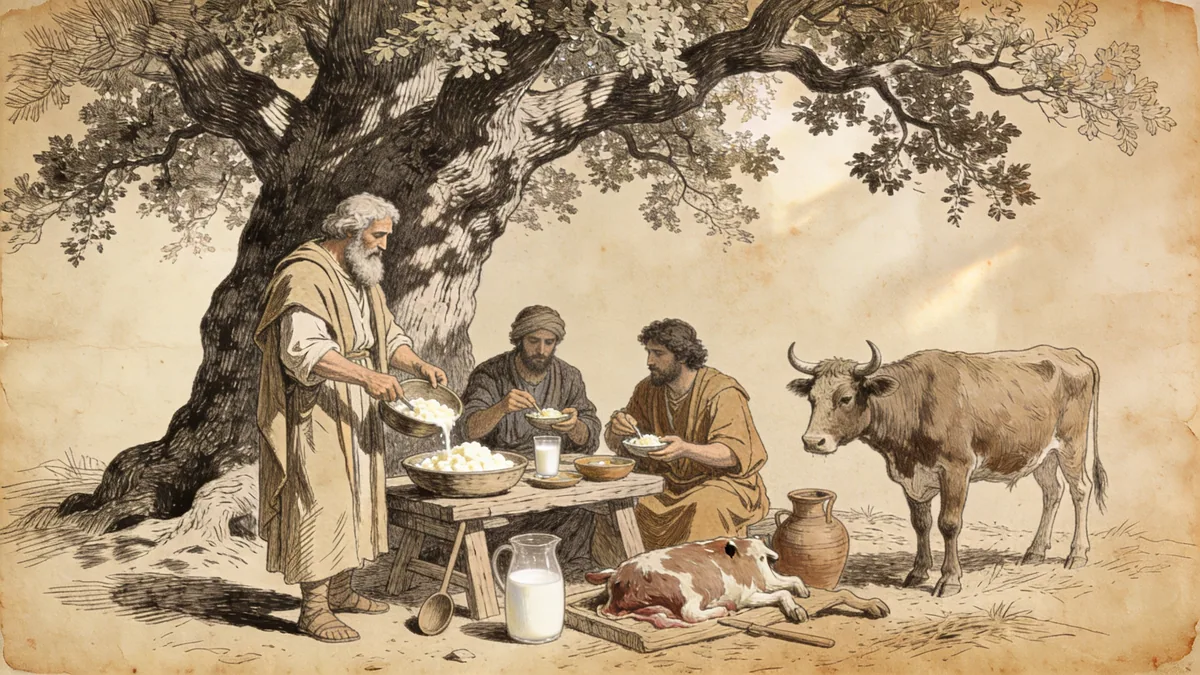
04. Genesis 18:1–33
The Visitors at Mamre
God appears to Abraham in the form of three visitors (often interpreted as divine messengers or a manifestation of God). Abraham hosts them, and God discusses the fate of Sodom. This scene blends hospitality, judgment, and direct dialogue.
4 renderings of this moment in the archive.


Genesis
05. Genesis 26:2–5
Appearance to Isaac
God appears to Isaac, reaffirming Abraham’s covenant. The pattern shows that divine appearances are often generational confirmations of promises.
4 renderings of this moment in the archive.


Genesis
06. Genesis 28:10–17
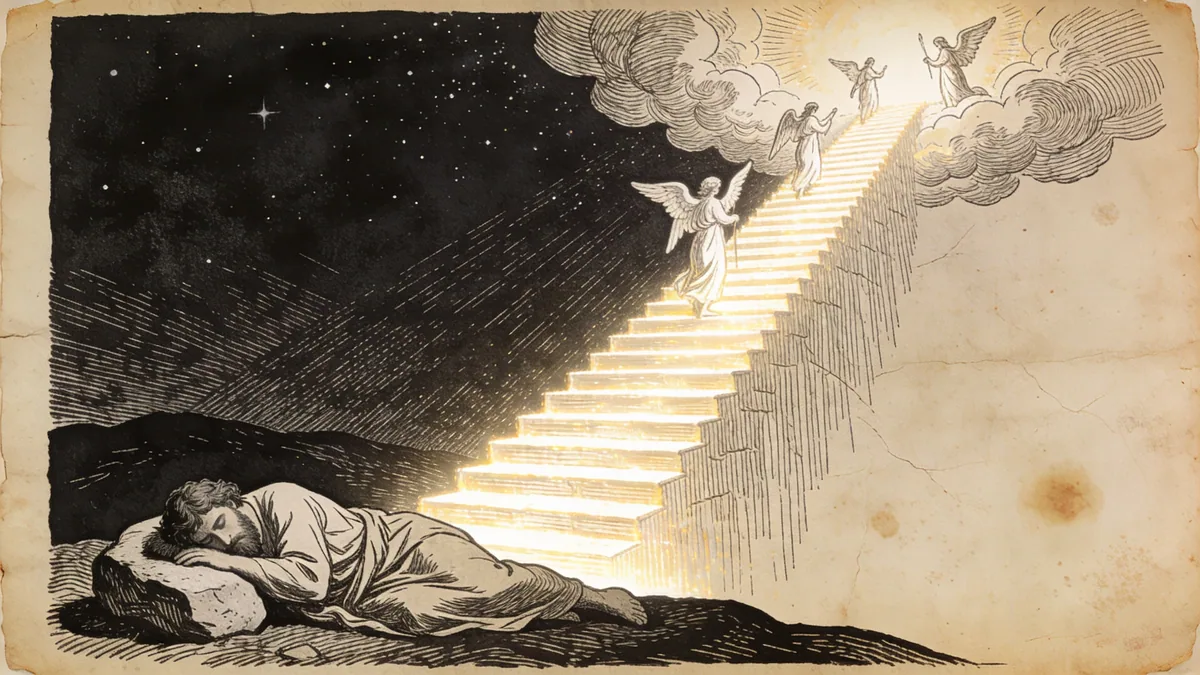
Jacob’s Ladder
Jacob dreams of a ladder (or stairway) connecting heaven and earth, with angels ascending and descending. God stands above it, declaring covenant promises. This introduces the idea of heaven–earth connection.
4 renderings of this moment in the archive.


Genesis
07. Genesis 32:24–30
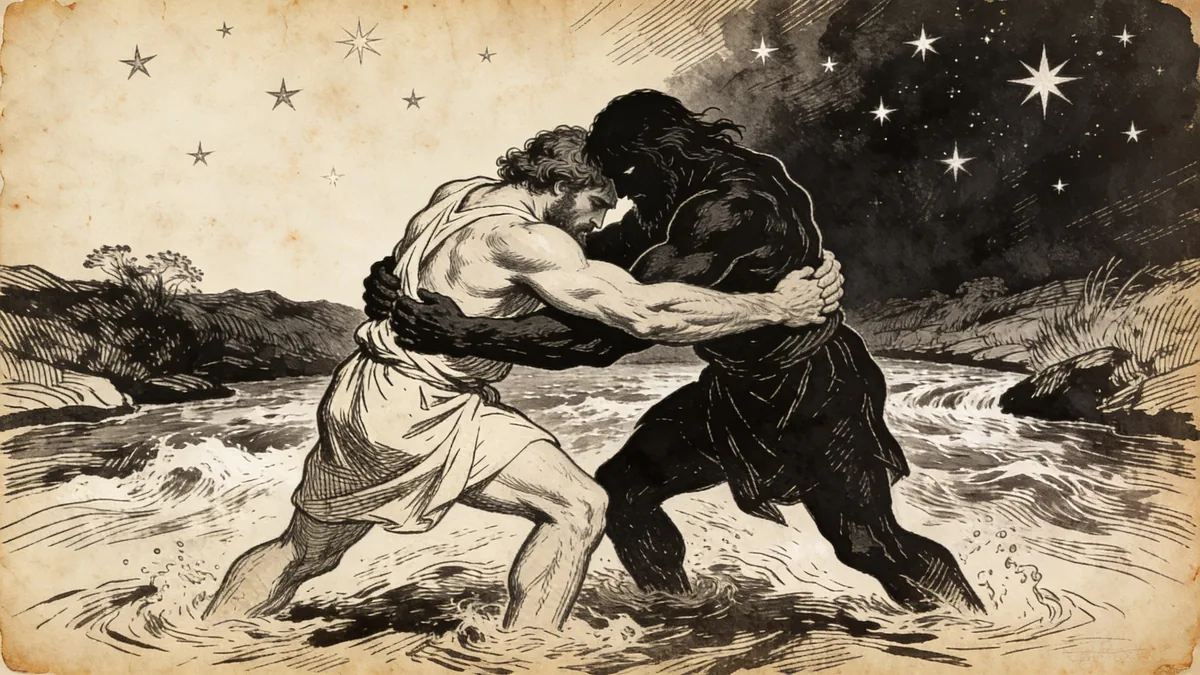
Jacob Wrestles God
Jacob wrestles through the night with a mysterious figure—identified as God or a divine being. He names the place Peniel (“face of God”), saying he has seen God and lived. This is a rare physical encounter, emphasizing struggle and transformation.
4 renderings of this moment in the archive.


Exodus → Deut.
08. Exodus 3:1–15
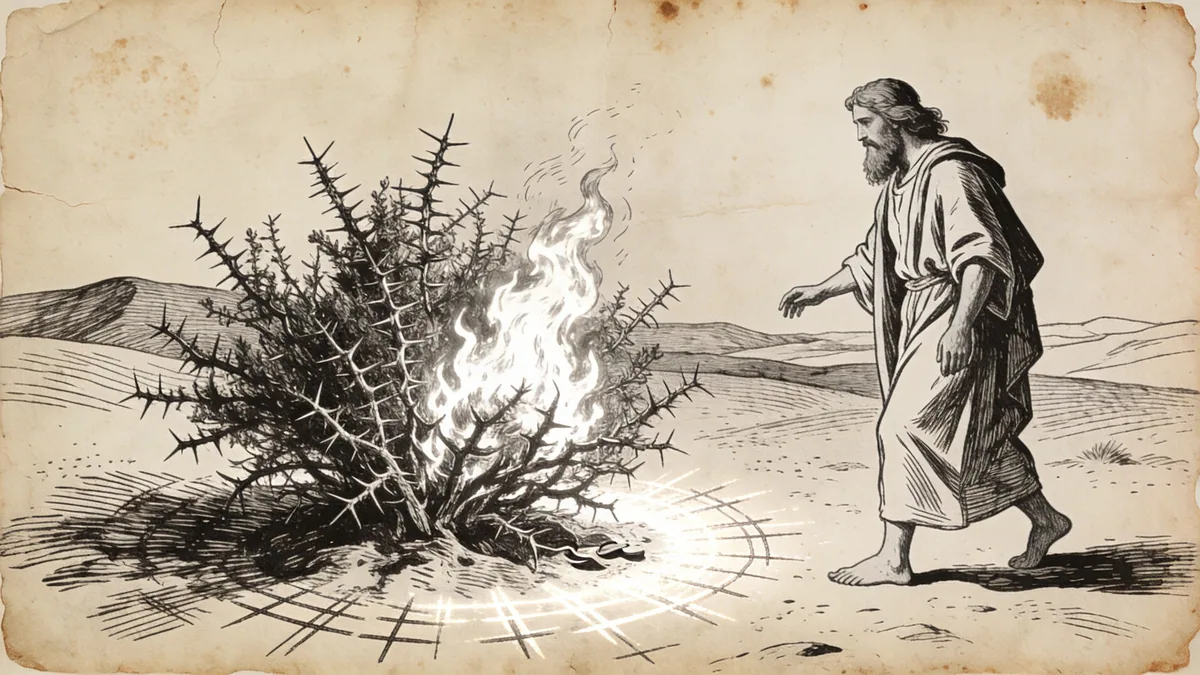
The Burning Bush
God appears to Moses in a bush that burns without being consumed. God reveals the divine name: “I AM WHO I AM” (Ehyeh Asher Ehyeh). This is foundational—God is self-existent, eternal, and beyond form, yet present in nature.
4 renderings of this moment in the archive.


Exodus → Deut.
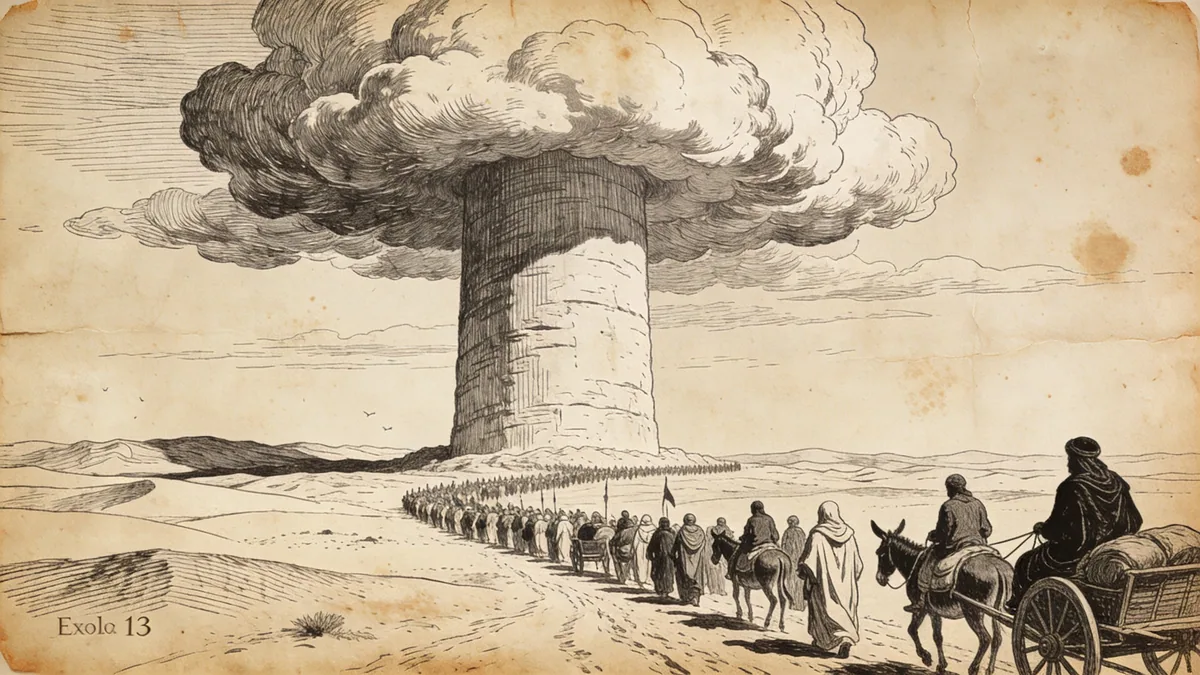
09. Exodus 13:21–22
Pillar of Cloud and Fire
God leads Israel through the wilderness as a pillar of cloud by day and fire by night. This is a continuous, guiding manifestation—visible yet not human-shaped.
3 renderings of this moment in the archive.


Exodus → Deut.
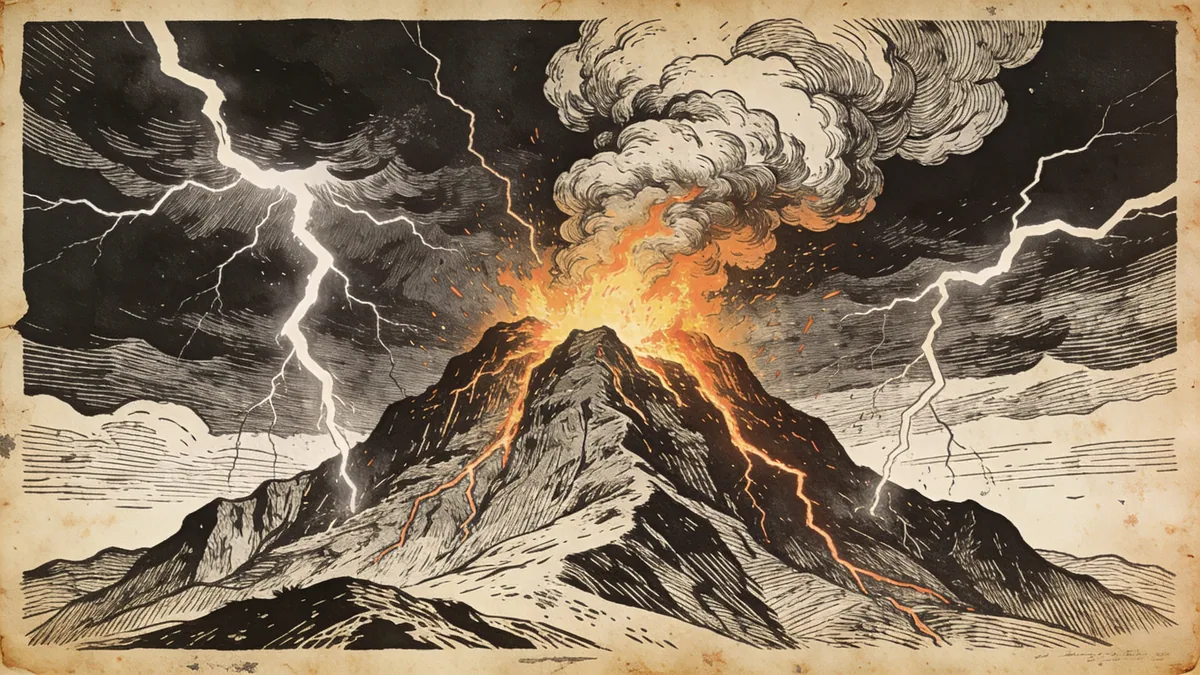
10. Exodus 19:16–20
Sinai Theophany
At Mount Sinai, God descends in fire, thunder, lightning, smoke, and trumpet blasts. The mountain shakes violently. This overwhelming sensory event emphasizes God’s transcendence and holiness—too powerful for direct viewing.
4 renderings of this moment in the archive.


Exodus → Deut.
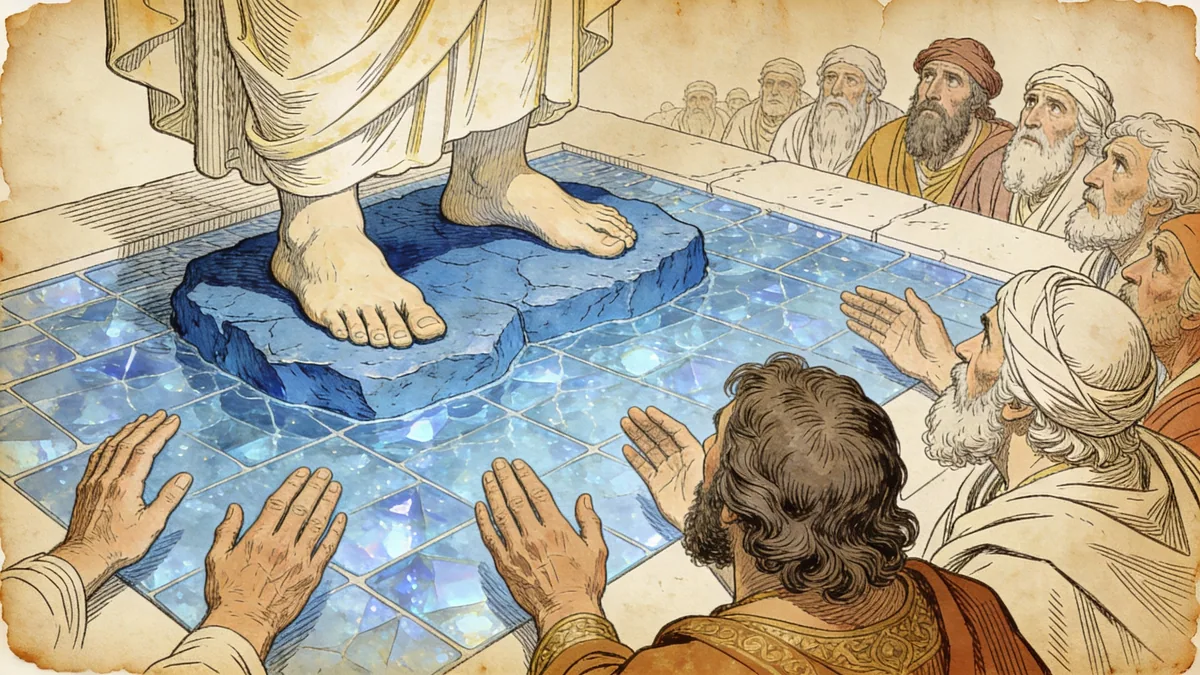
11. Exodus 24:9–11
Elders See God
Moses and Israel’s leaders “see the God of Israel”, described indirectly (a pavement like sapphire beneath His feet). The text avoids describing God fully—showing a tension between visibility and mystery.
4 renderings of this moment in the archive.


Exodus → Deut.
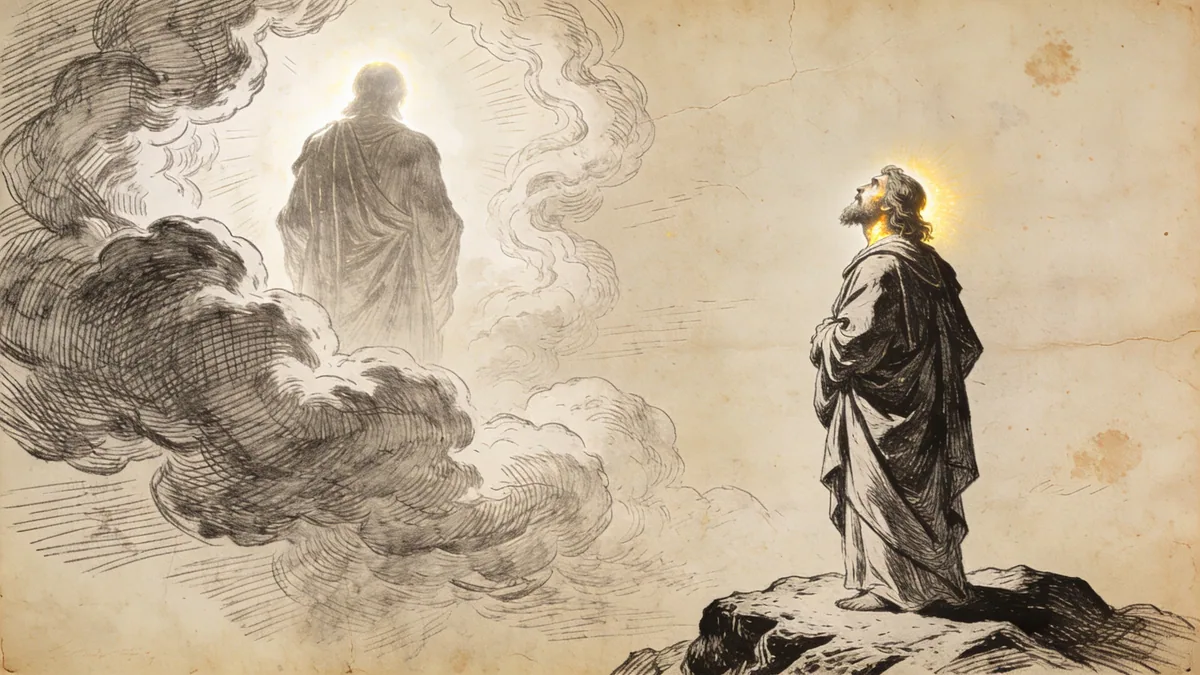
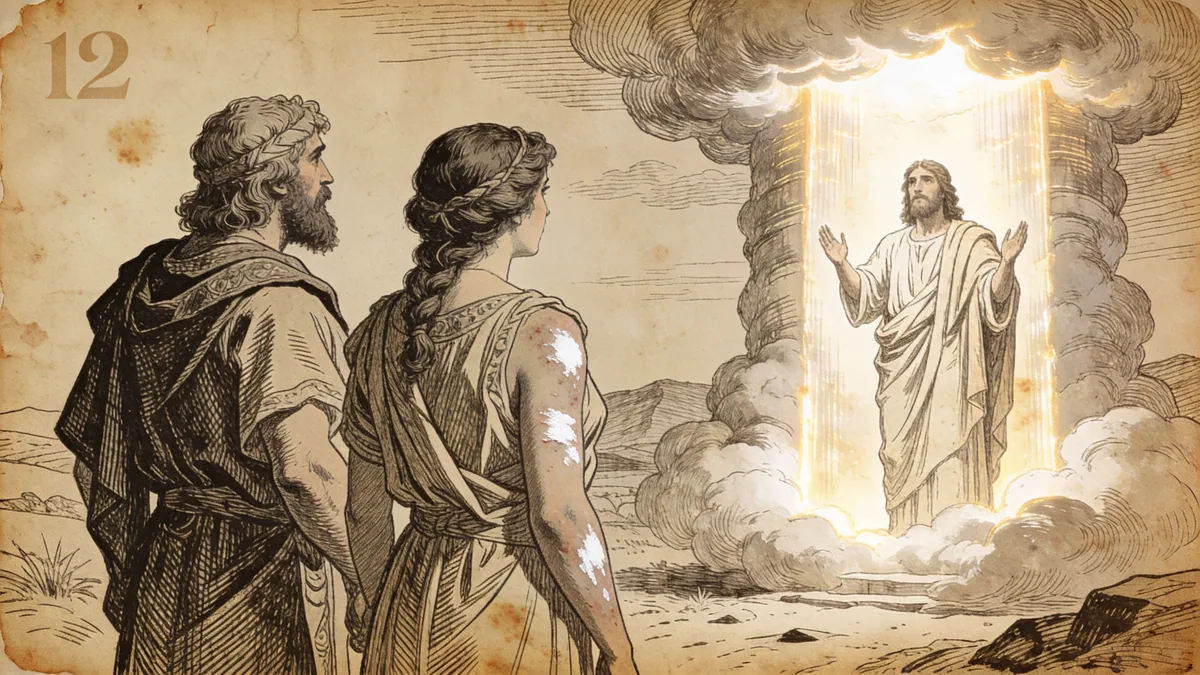
12. Exodus 33:18–23
Moses Sees God’s “Back”
Moses asks to see God’s glory. God responds that no one can see His face and live, but allows Moses to see His “back.” This passage becomes central in theology: God is partially revealable but ultimately beyond full human perception.
4 renderings of this moment in the archive.


Exodus → Deut.
13. Numbers 12:6–8
Moses Sees God Differently
God explains that prophets receive visions, but Moses speaks with God “face to face” (figuratively) and sees God’s “form.” This establishes Moses as uniquely close to the divine.
4 renderings of this moment in the archive.


Exodus → Deut.
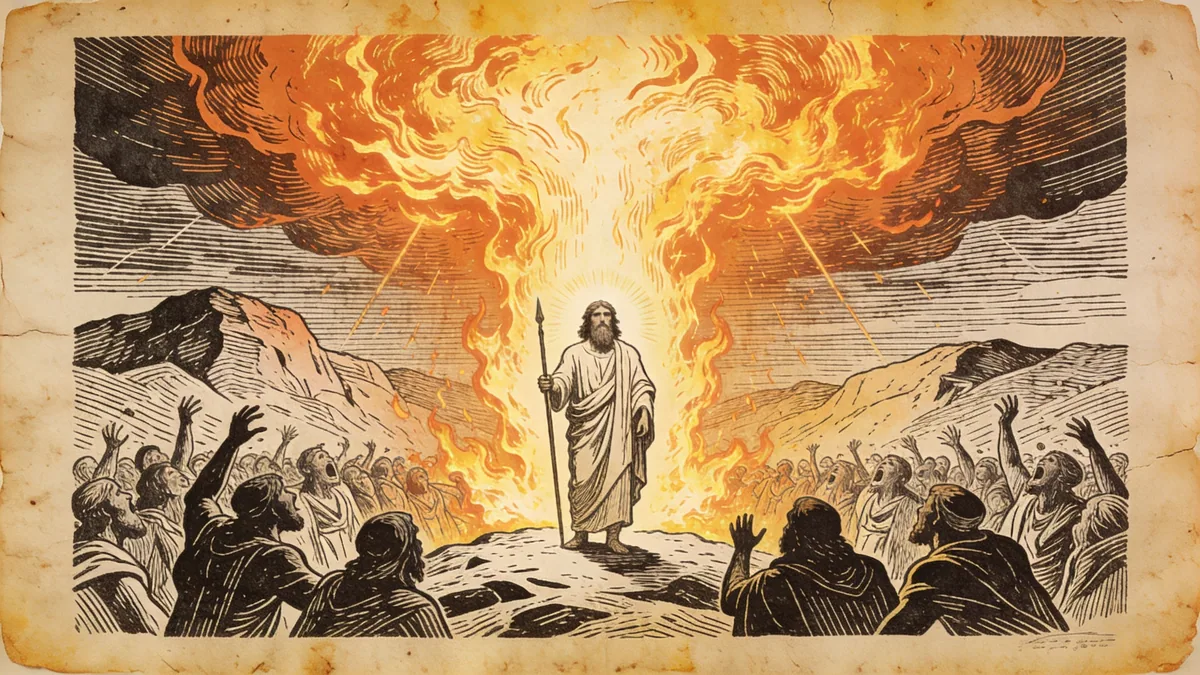
14. Deuteronomy 5:22–27
Voice from the Fire
Israel hears God speaking directly from the fire at Sinai. The people are terrified and ask Moses to mediate. This reinforces the idea that God’s presence is overwhelming and dangerous without mediation.
4 renderings of this moment in the archive.


Samuel → Kings
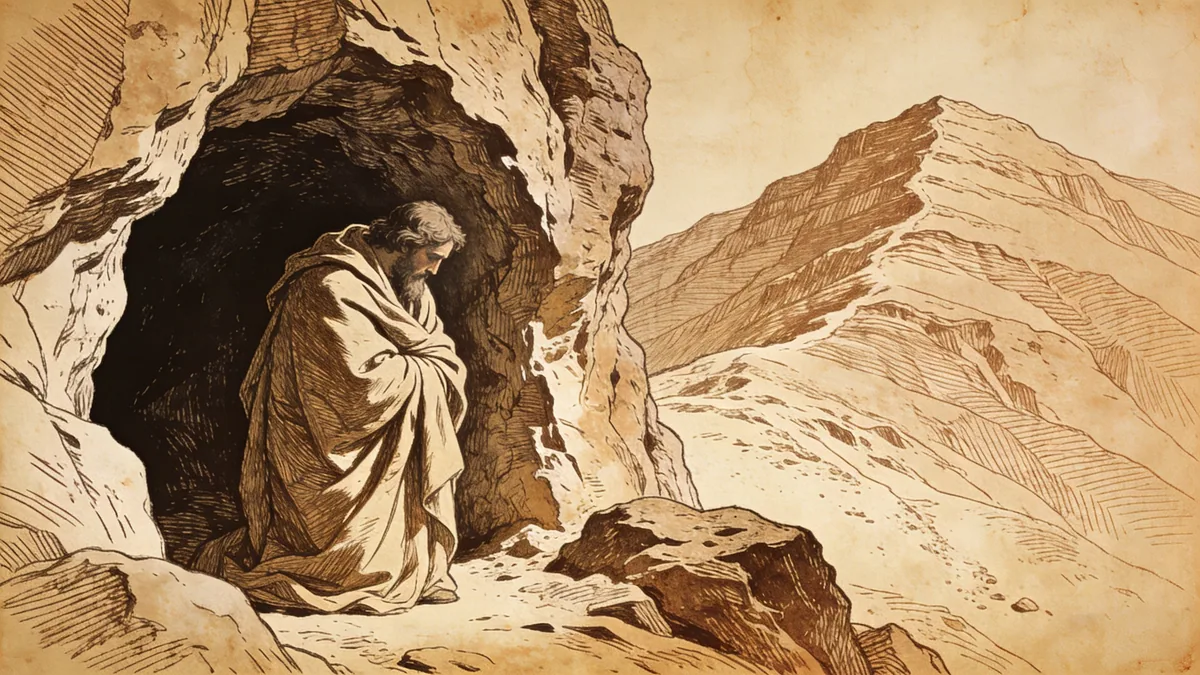
15. 1 Kings 19:11–13
Elijah and the Still Small Voice
Elijah experiences wind, earthquake, and fire—but God is not in them. Instead, God appears in a “still small voice” (gentle whisper). This shifts the idea of divine presence from dramatic to subtle and intimate.
4 renderings of this moment in the archive.


The Prophets
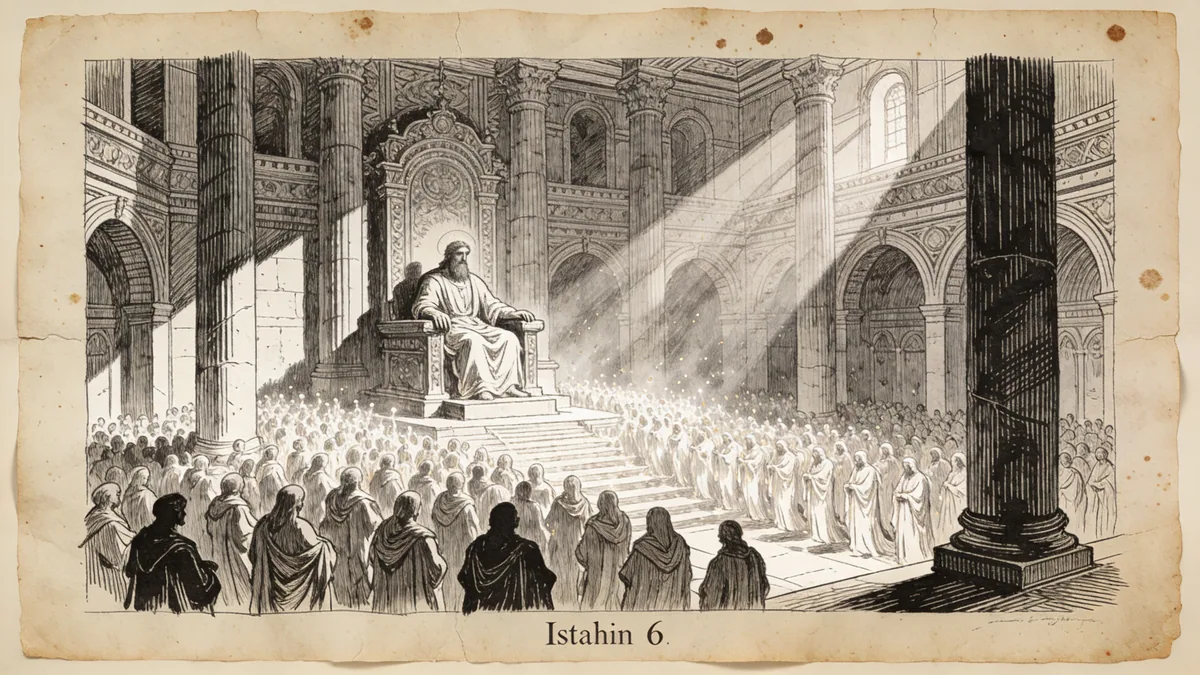
16. Isaiah 6:1–8
Vision of the Throne
Isaiah sees the Lord seated on a high throne, surrounded by seraphim crying “Holy, holy, holy.” The temple shakes, and Isaiah feels unworthy. This is a classic heavenly court vision emphasizing holiness and glory.
4 renderings of this moment in the archive.


The Prophets
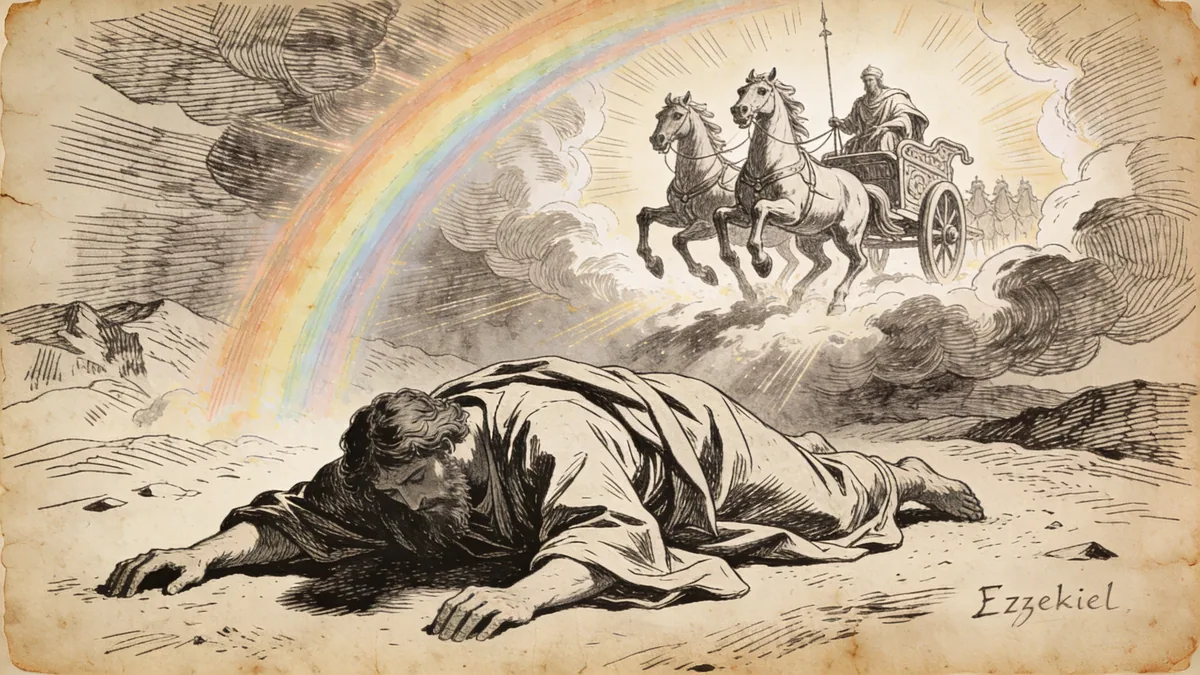
17. Ezekiel 1:26–28
The Chariot Vision
Ezekiel describes a complex vision: wheels within wheels, creatures, and above them a throne with a “likeness of a human form” radiating fire and light. The text repeatedly says “likeness,” stressing that God is only indirectly describable.
4 renderings of this moment in the archive.


The Prophets
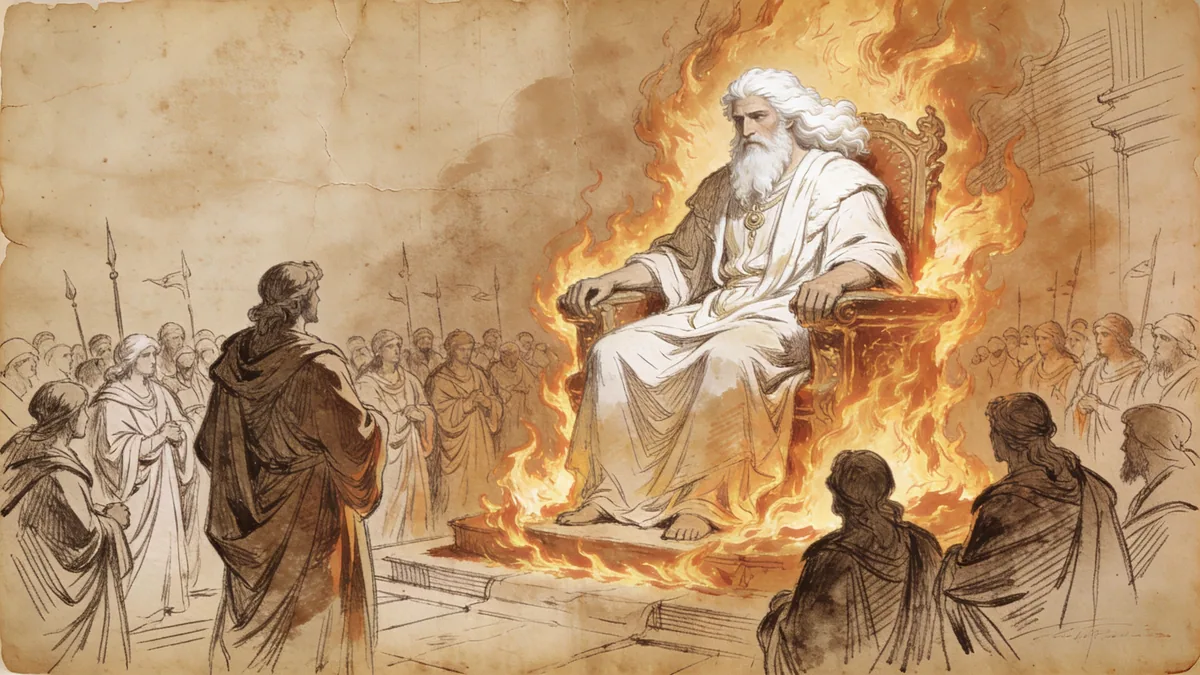
18. Daniel 7:9–14
Ancient of Days
Daniel sees God as the “Ancient of Days” seated on a fiery throne with white hair and garments. This is symbolic imagery of eternity, judgment, and sovereignty.
4 renderings of this moment in the archive.


New Testament
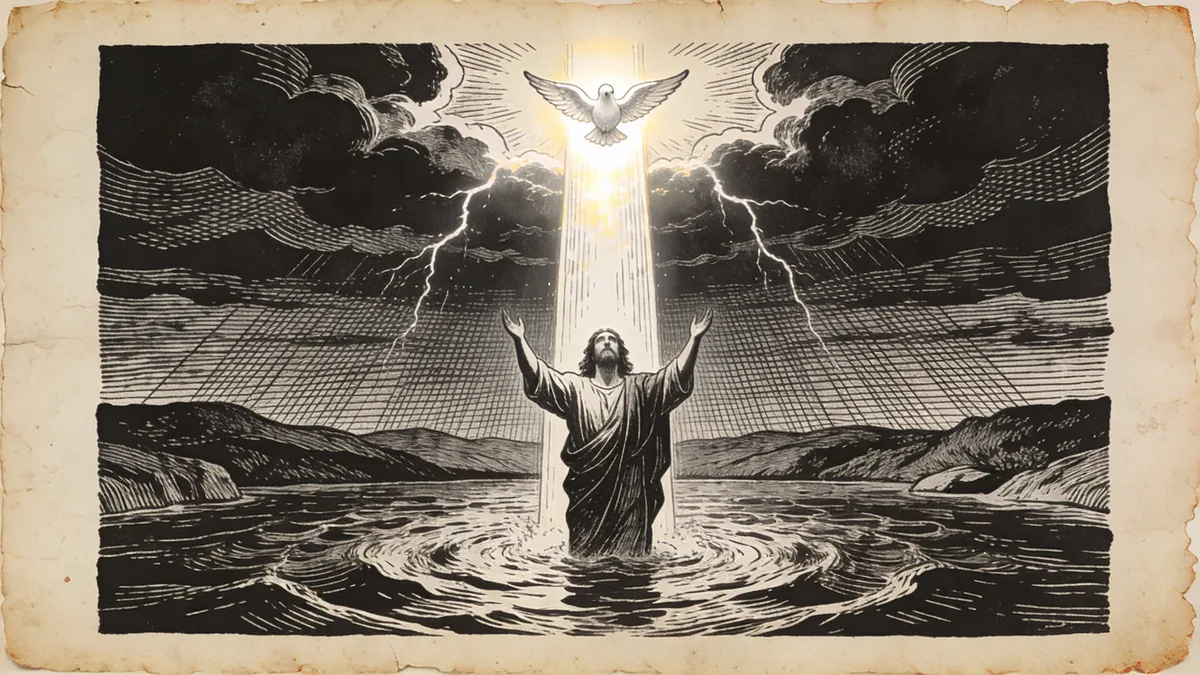
19. Matthew 3:16–17
Baptism of Jesus
At Jesus’ baptism, the heavens open, the Spirit descends like a dove, and a voice from heaven declares divine approval. This is a multi-form manifestation—voice, spirit, and presence simultaneously.
4 renderings of this moment in the archive.


Genesis
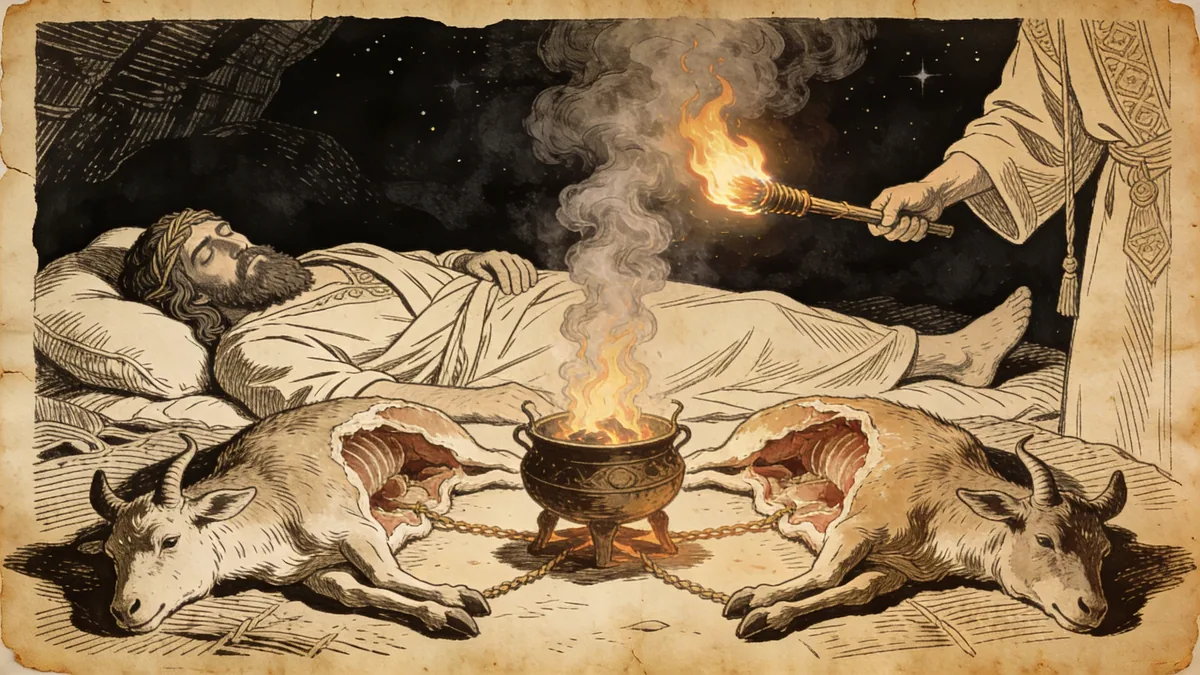
21. Genesis 15:1–17
Covenant Vision with Abram
God appears in a vision, promising descendants. Later, a smoking firepot and flaming torch pass between covenant pieces—symbolizing God sealing the covenant alone.
4 renderings of this moment in the archive.


Genesis
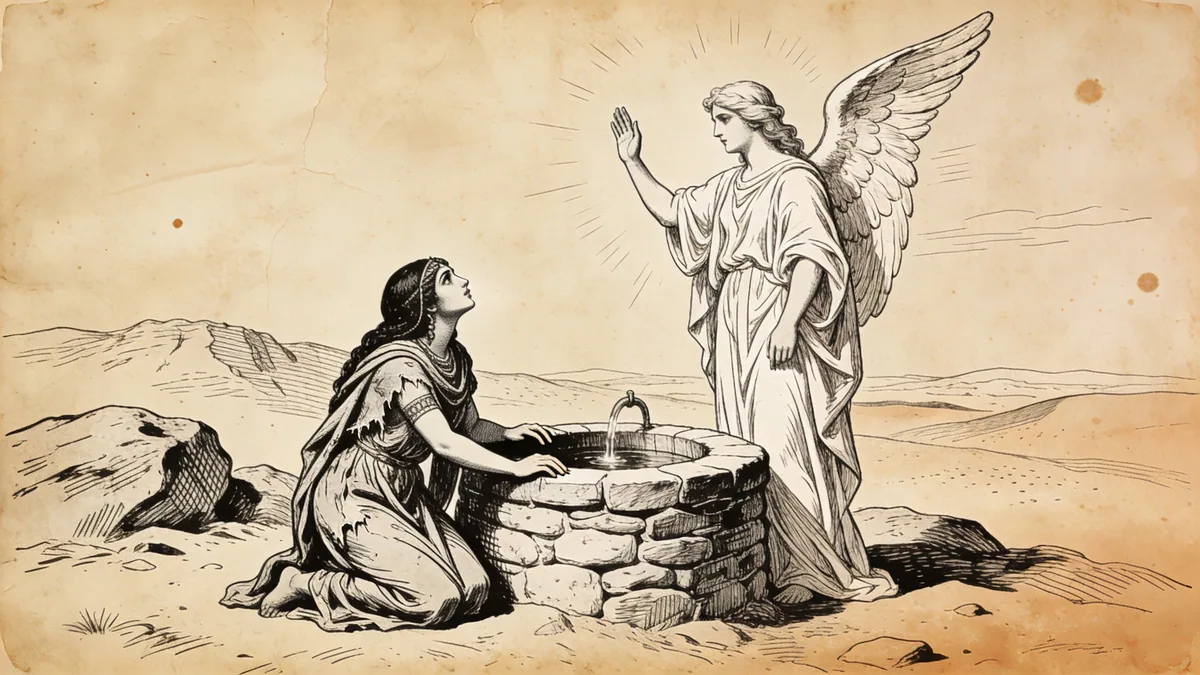
22. Genesis 16:7–13
Angel of YHWH to Hagar
The Angel of the LORD appears to Hagar. She calls God “El Roi” (God who sees me)—one of the earliest personal divine encounters outside Abraham’s line.
4 renderings of this moment in the archive.
Genesis
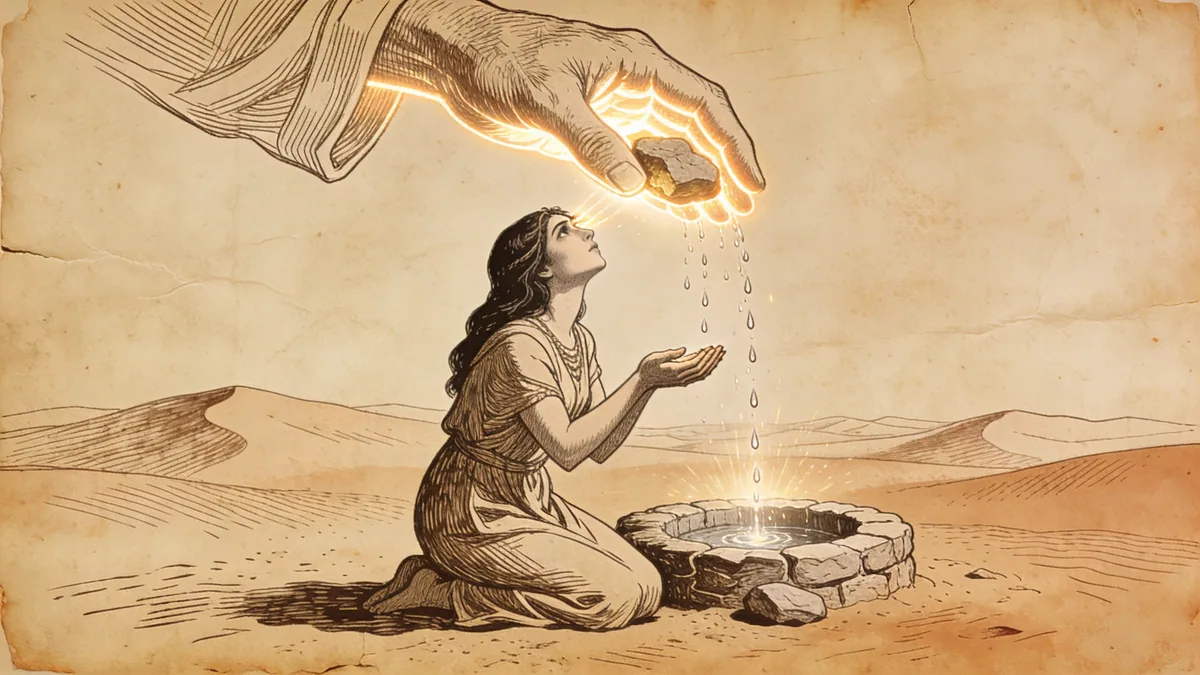
23. Genesis 21:17–19
God Hears Ishmael
God speaks from heaven to Hagar and opens her eyes to a well—a subtle but powerful act showing divine care and intervention.

Genesis
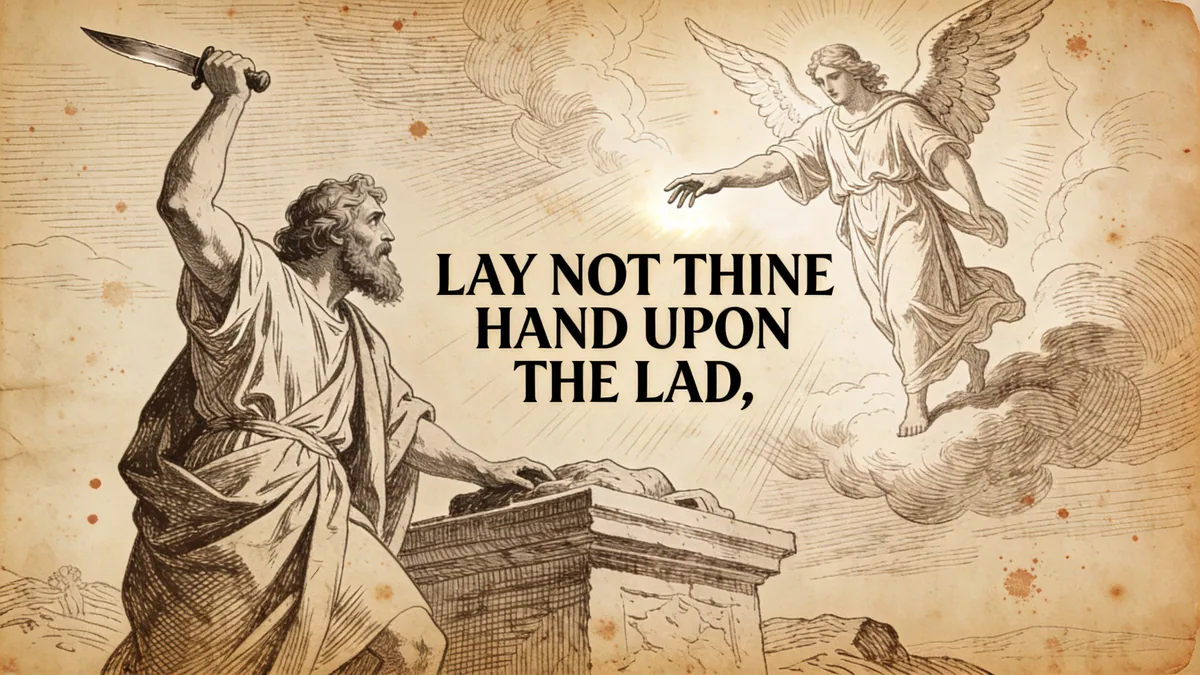
24. Genesis 22:11–18
Binding of Isaac
The Angel of YHWH calls from heaven to stop Abraham. God provides a ram and reaffirms the covenant—divine voice replacing direct appearance.
2 renderings of this moment in the archive.


Genesis
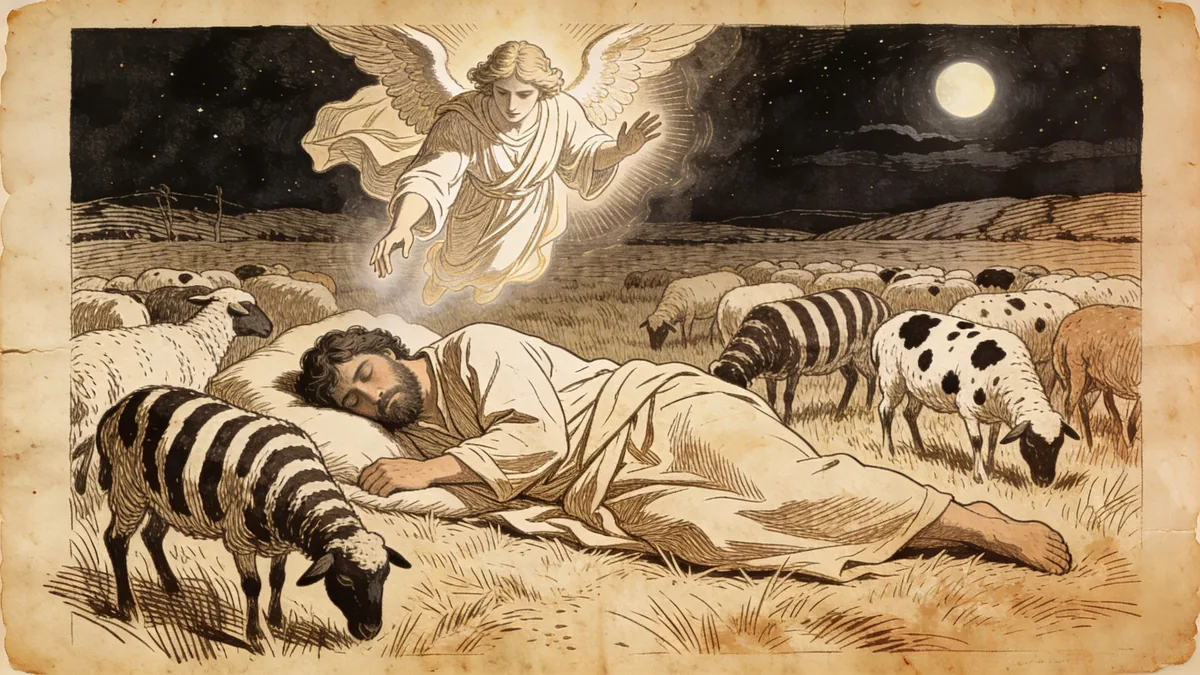
25. Genesis 31:11–13
God Speaks to Jacob in Dream
God appears in a dream, identifying Himself as “the God of Bethel,” reinforcing earlier encounters.
4 renderings of this moment in the archive.
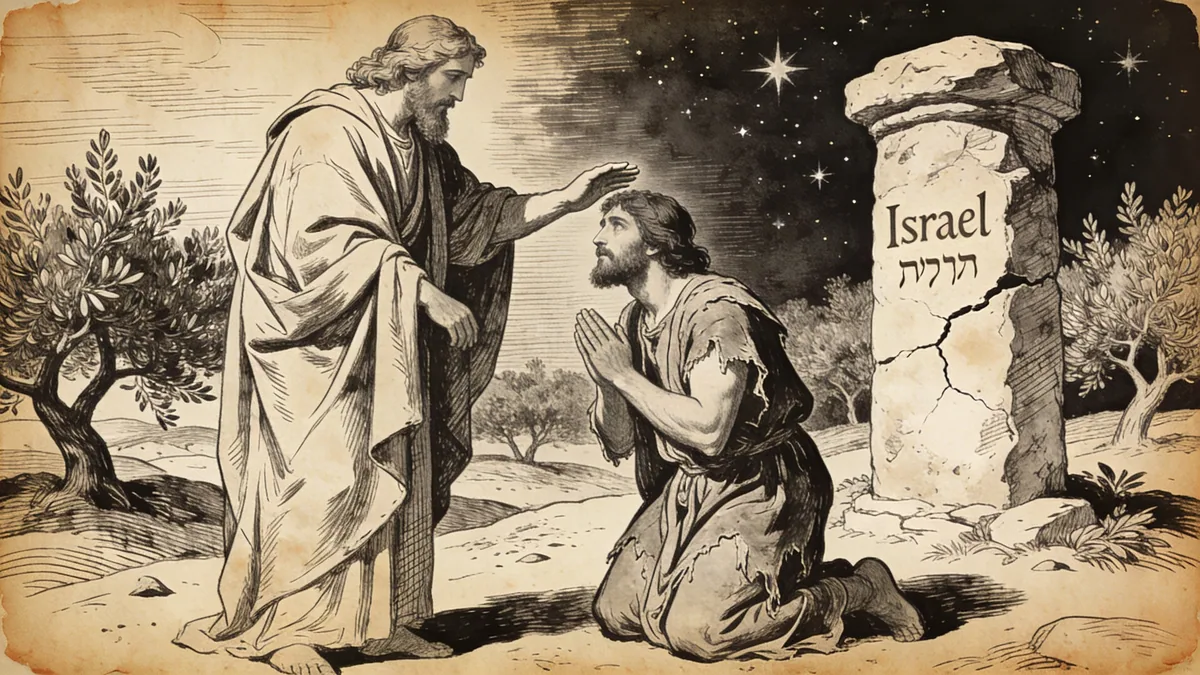


Genesis
26. Genesis 35:9–15
God Appears Again to Jacob
God blesses Jacob, renames him Israel, and reiterates covenant promises—showing continuity of divine presence.
4 renderings of this moment in the archive.
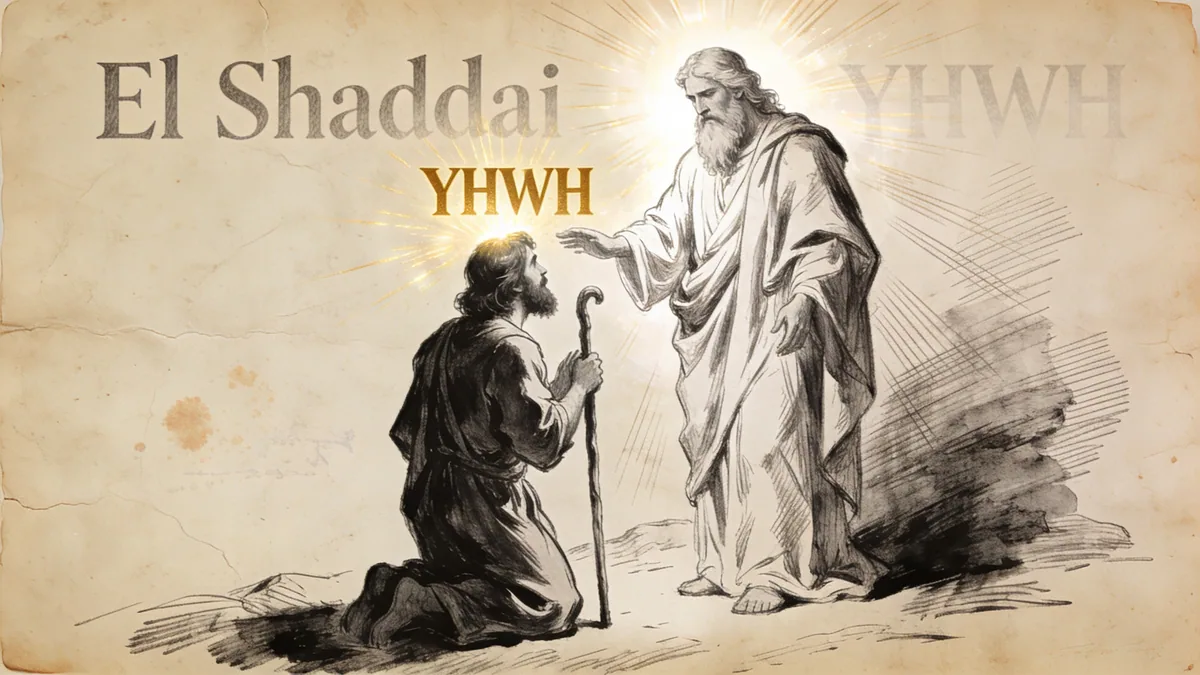


Exodus → Deut.
27. Exodus 6:2–3
Name Revelation
God tells Moses He appeared as El Shaddai, but now reveals Himself as YHWH—a theological shift in how God is known.
4 renderings of this moment in the archive.
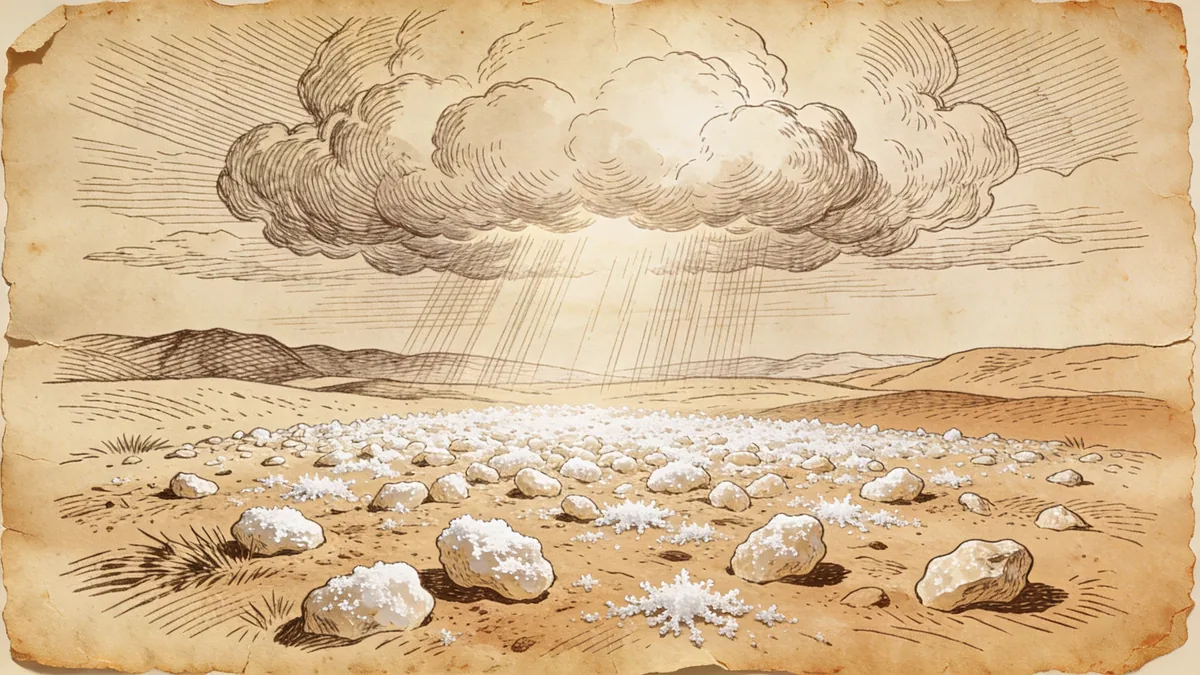


Exodus → Deut.
28. Exodus 16:10
Glory in the Cloud
The glory of YHWH appears in a cloud before the Israelites during the manna episode—visible but veiled.
4 renderings of this moment in the archive.
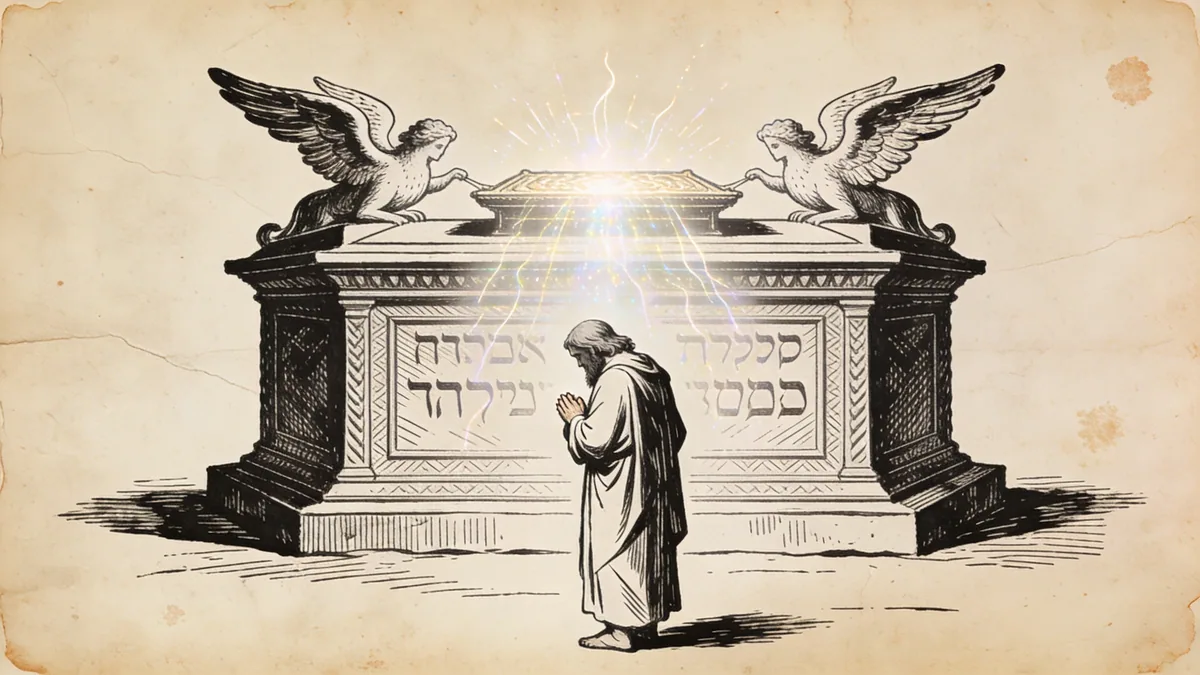


Exodus → Deut.
29. Exodus 25:22
Presence Above the Ark
God declares He will meet Moses above the mercy seat between the cherubim—localized sacred presence.
4 renderings of this moment in the archive.


Exodus → Deut.
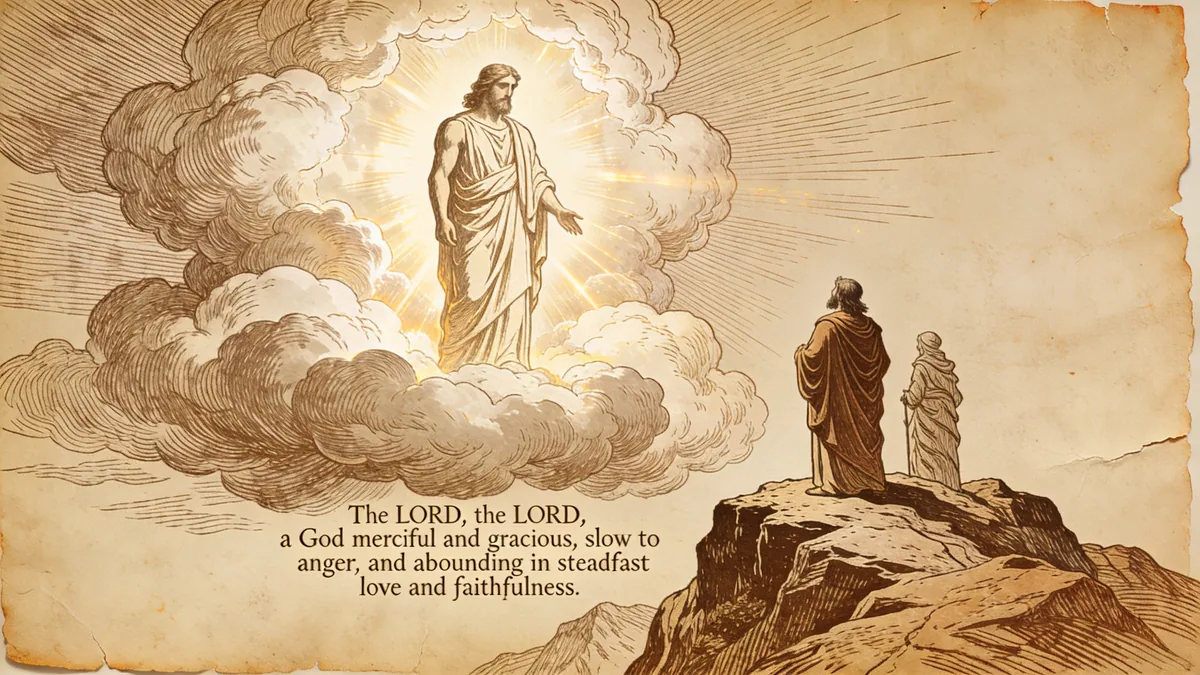
30. Exodus 34:5–7
God Passes Before Moses
God descends in a cloud and proclaims His name and attributes—mercy, justice, compassion—a defining theological moment.
4 renderings of this moment in the archive.


Exodus → Deut.
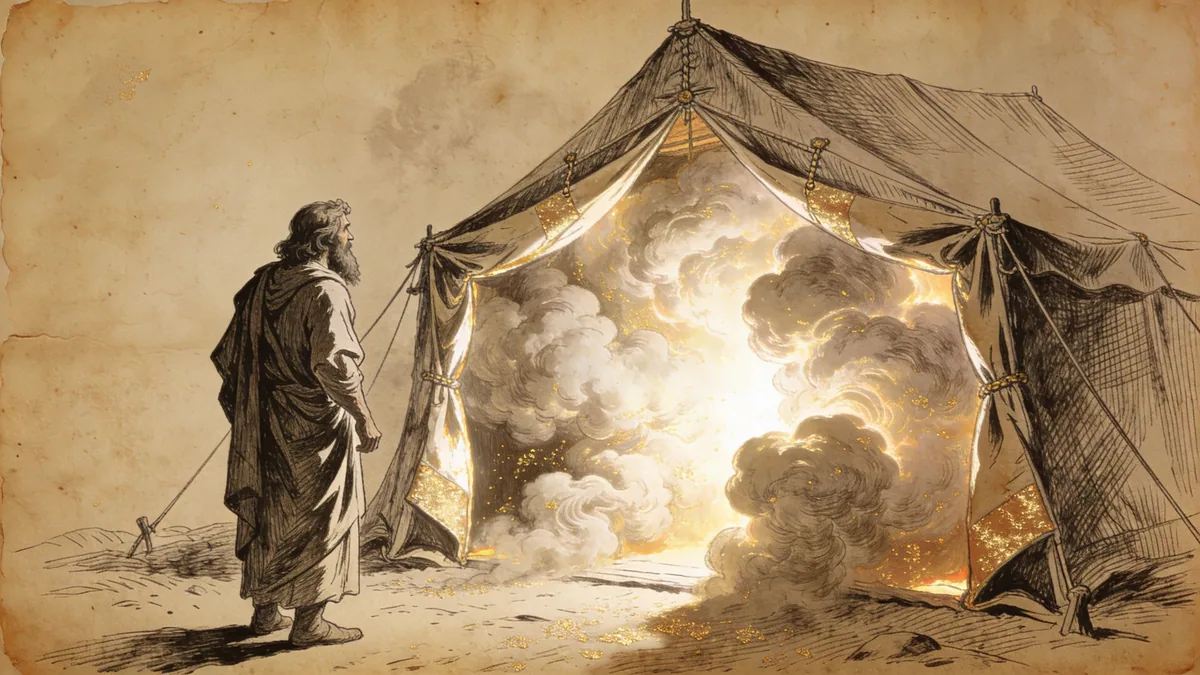
31. Exodus 40:34–38
Glory Fills the Tabernacle
The cloud of glory fills the Tabernacle, preventing entry. God’s presence becomes dwelling (Shekhinah) among the people.
4 renderings of this moment in the archive.


Exodus → Deut.
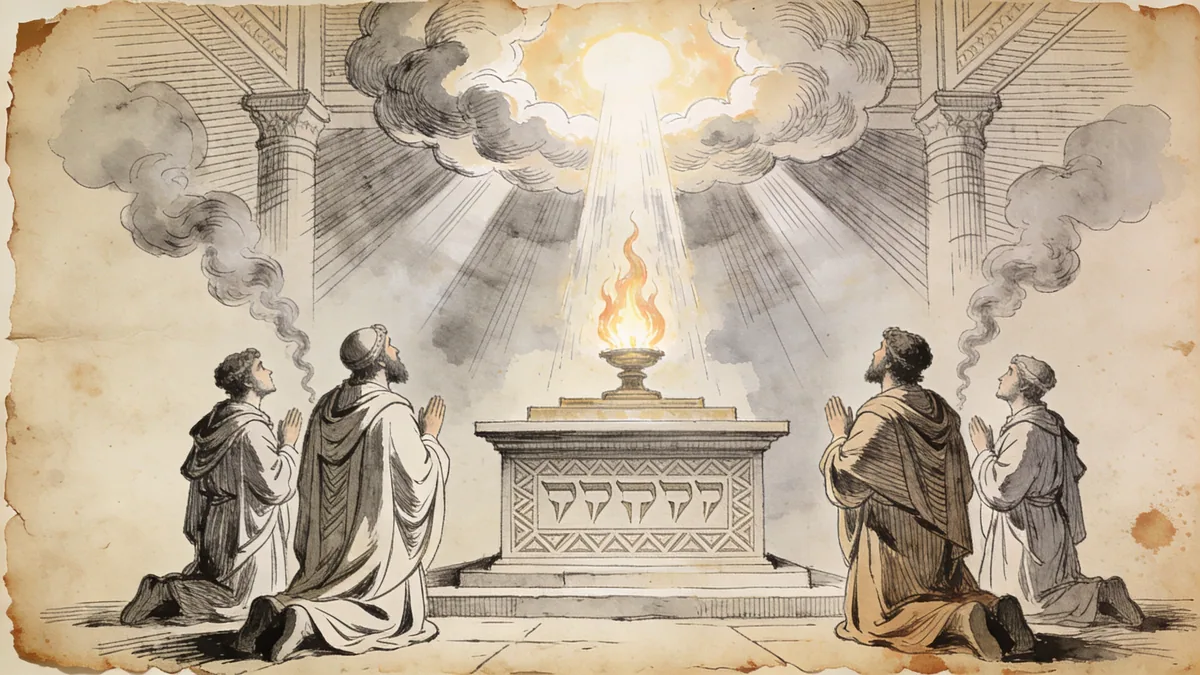
32. Leviticus 9:23–24
Fire from YHWH
Divine fire comes out and consumes offerings—visible approval of worship.
4 renderings of this moment in the archive.


Exodus → Deut.
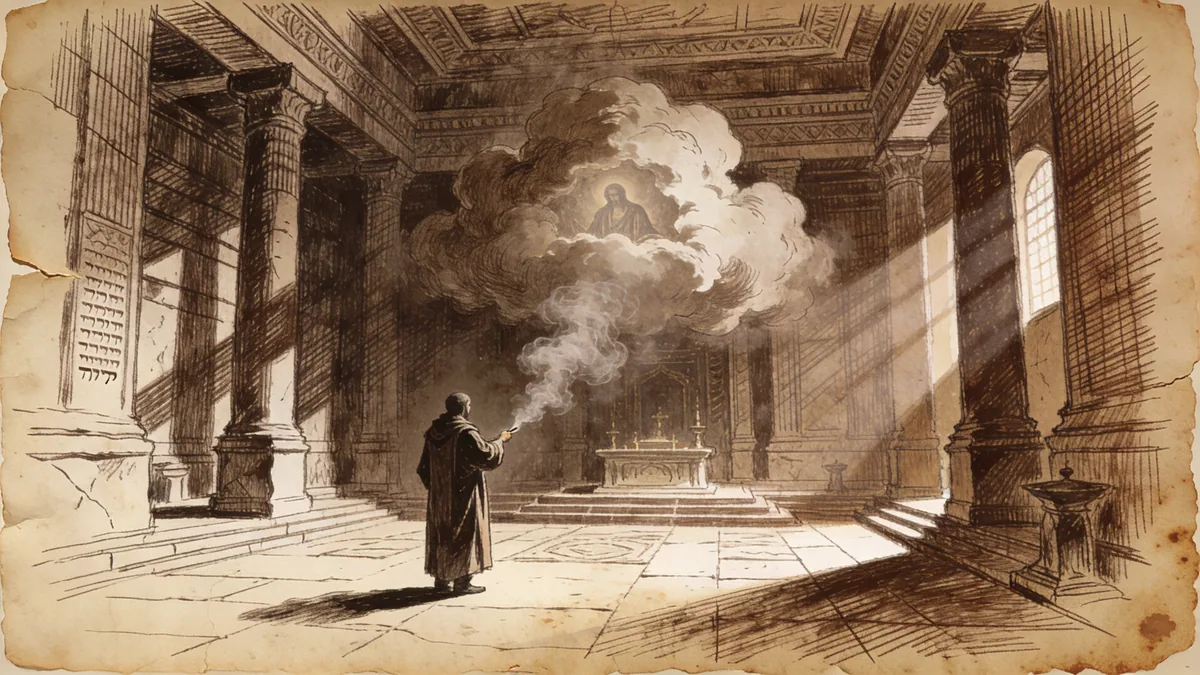
33. Leviticus 16:2
God Appears in the Cloud
God says He appears in the cloud over the mercy seat, reinforcing sacred mystery and restricted access.
4 renderings of this moment in the archive.


Exodus → Deut.
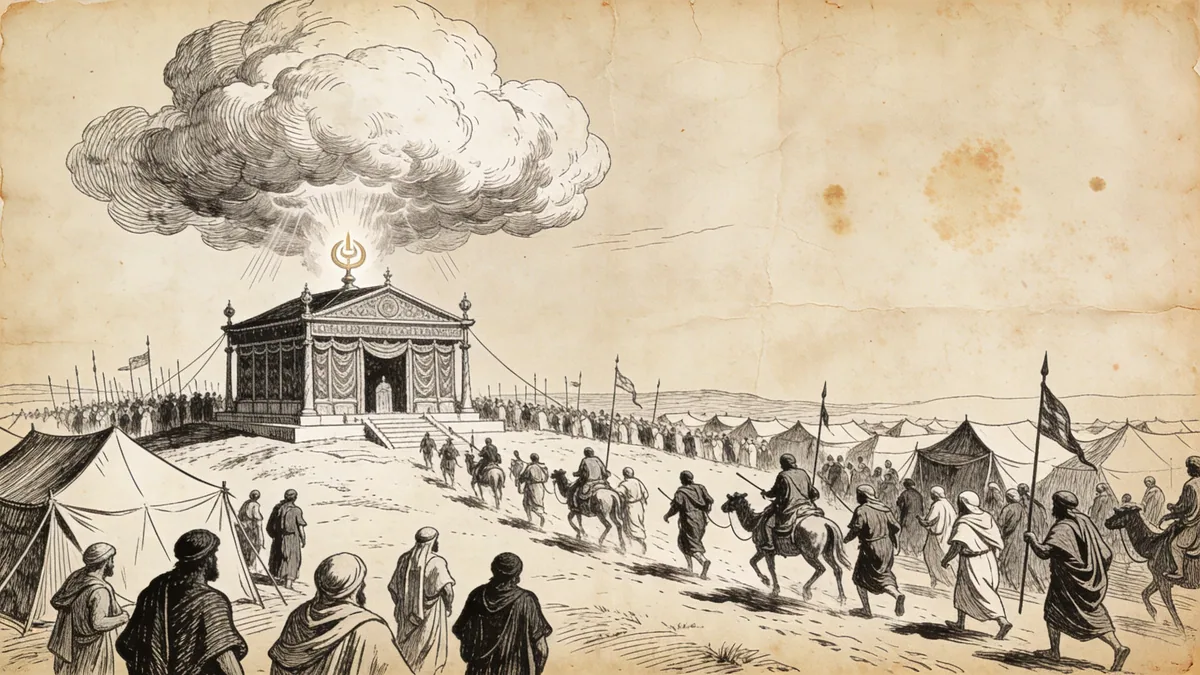
34. Numbers 9:15–23
Cloud Over the Tabernacle
God’s presence remains as a guiding cloud by day and fire by night, directing Israel’s movements.
3 renderings of this moment in the archive.


Exodus → Deut.
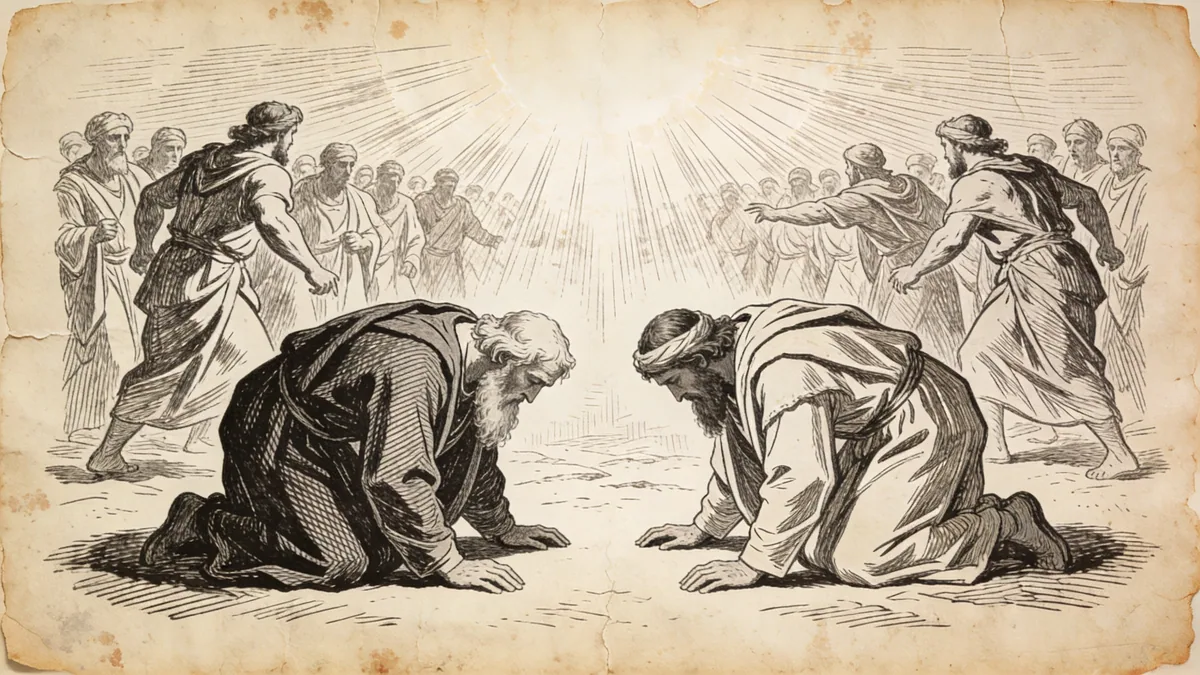
35. Numbers 16:19–35
Korah’s Rebellion
The glory of YHWH appears, followed by divine judgment—appearance tied to justice.
4 renderings of this moment in the archive.


Exodus → Deut.
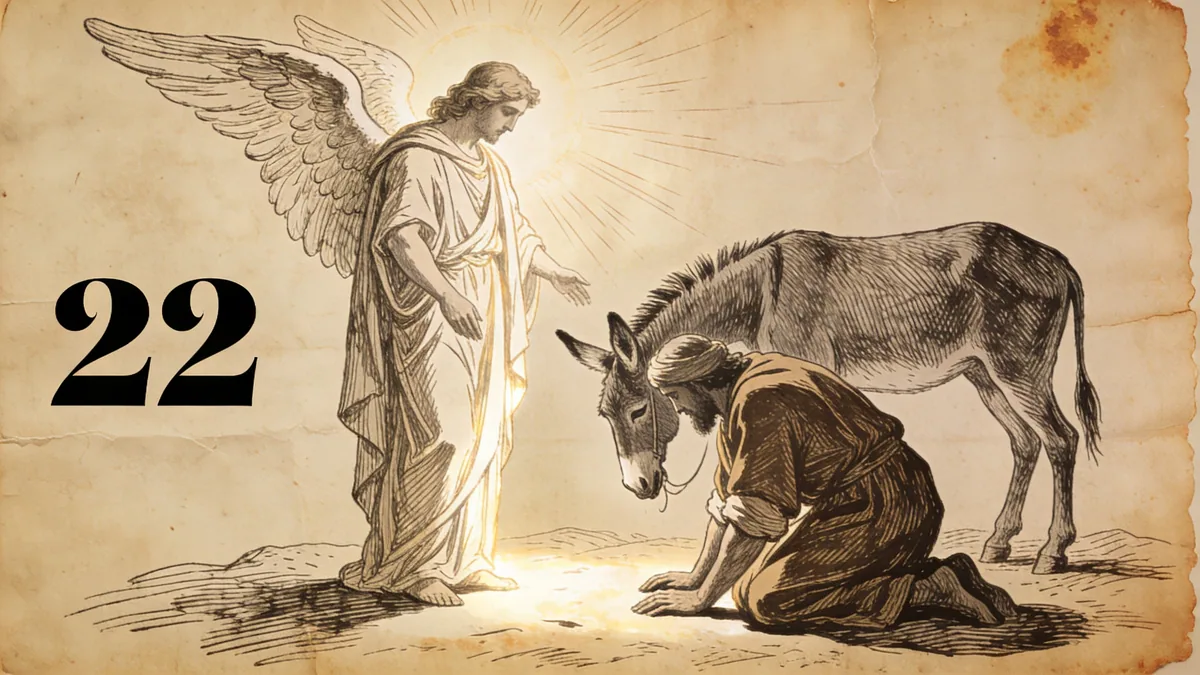
36. Numbers 22:22–35
Angel of YHWH and Balaam
The angel appears with a drawn sword; Balaam’s donkey sees first—highlighting hidden divine presence.
4 renderings of this moment in the archive.


Exodus → Deut.
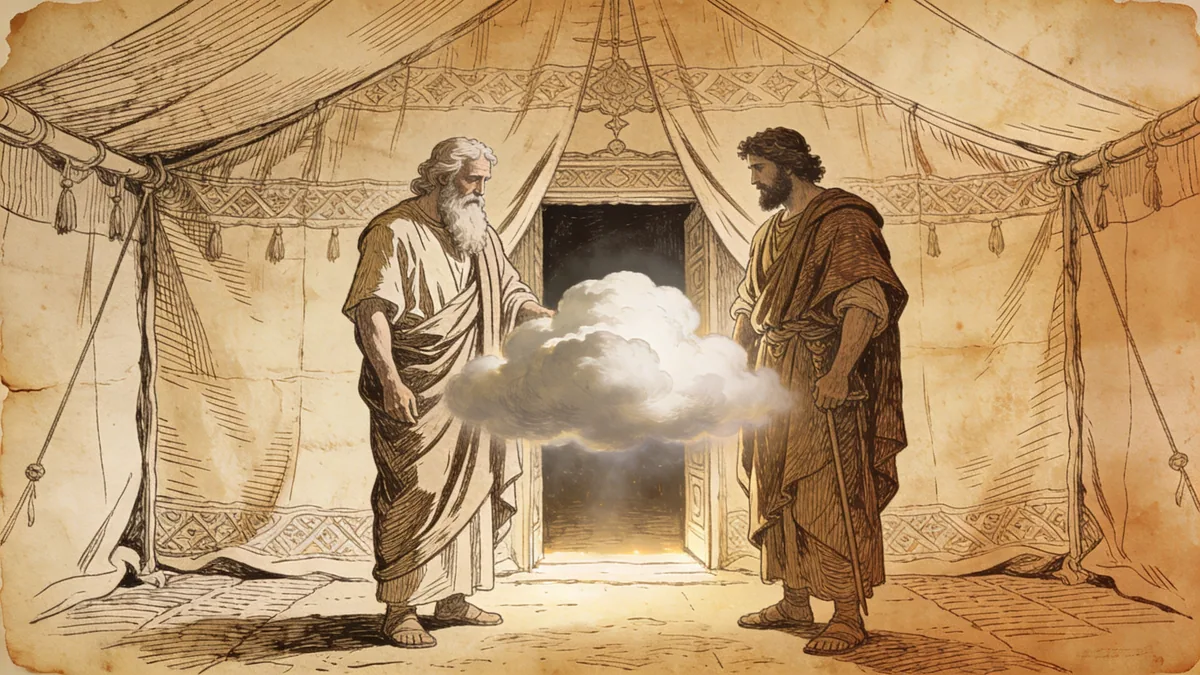
37. Deuteronomy 31:14–15
Pillar at the Tent
God appears in a pillar of cloud at the Tent of Meeting before Moses’ death.
4 renderings of this moment in the archive.


Joshua → Judges
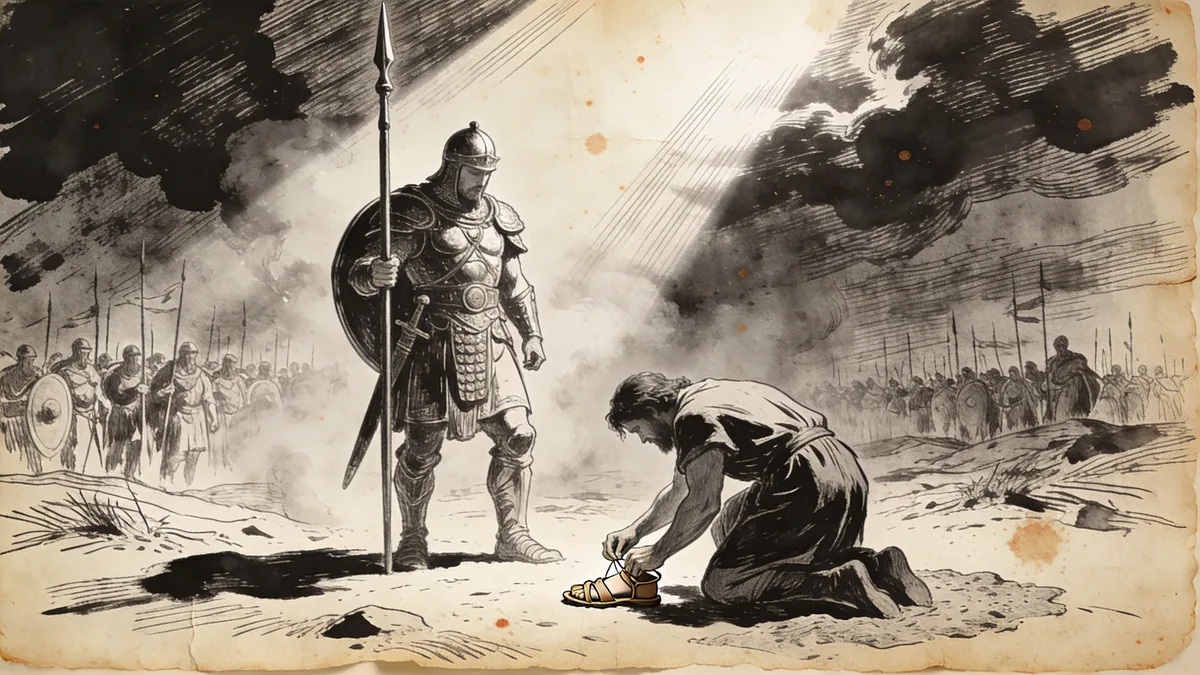
38. Joshua 5:13–15
Commander of the LORD’s Army
Joshua encounters a divine warrior figure—often interpreted as a theophany—commanding reverence.
4 renderings of this moment in the archive.


Joshua → Judges
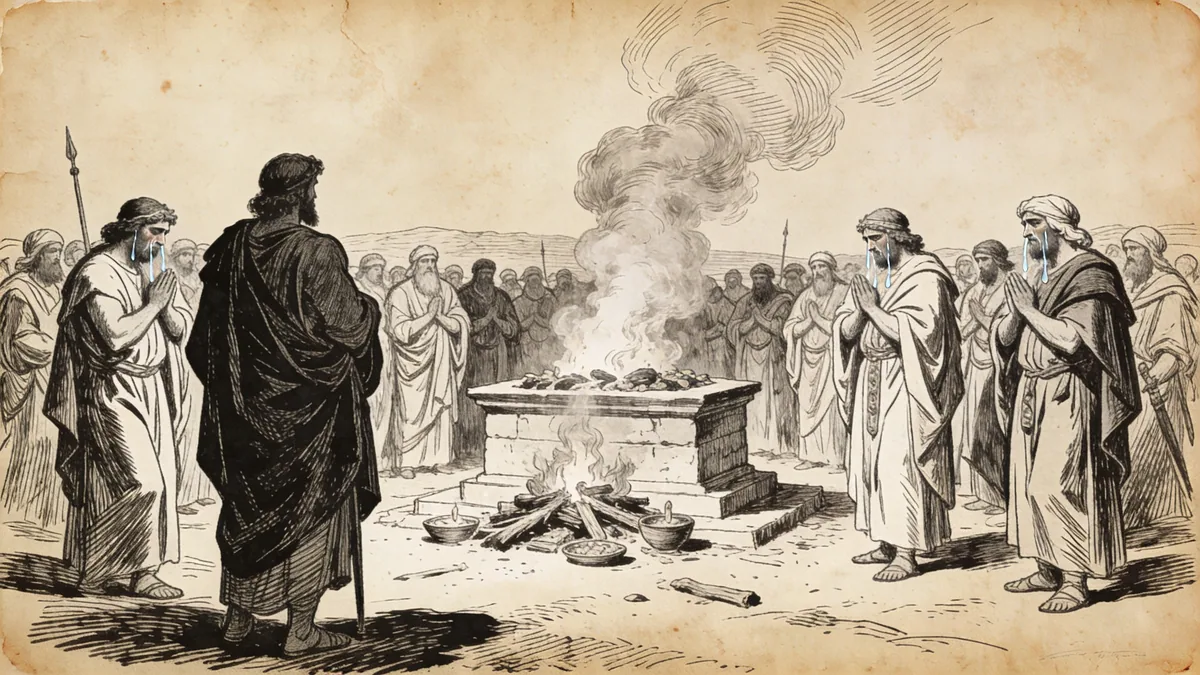
39. Judges 2:1–5
Angel of YHWH at Bochim
God rebukes Israel through a divine messenger—appearance tied to covenant accountability.
4 renderings of this moment in the archive.


Joshua → Judges
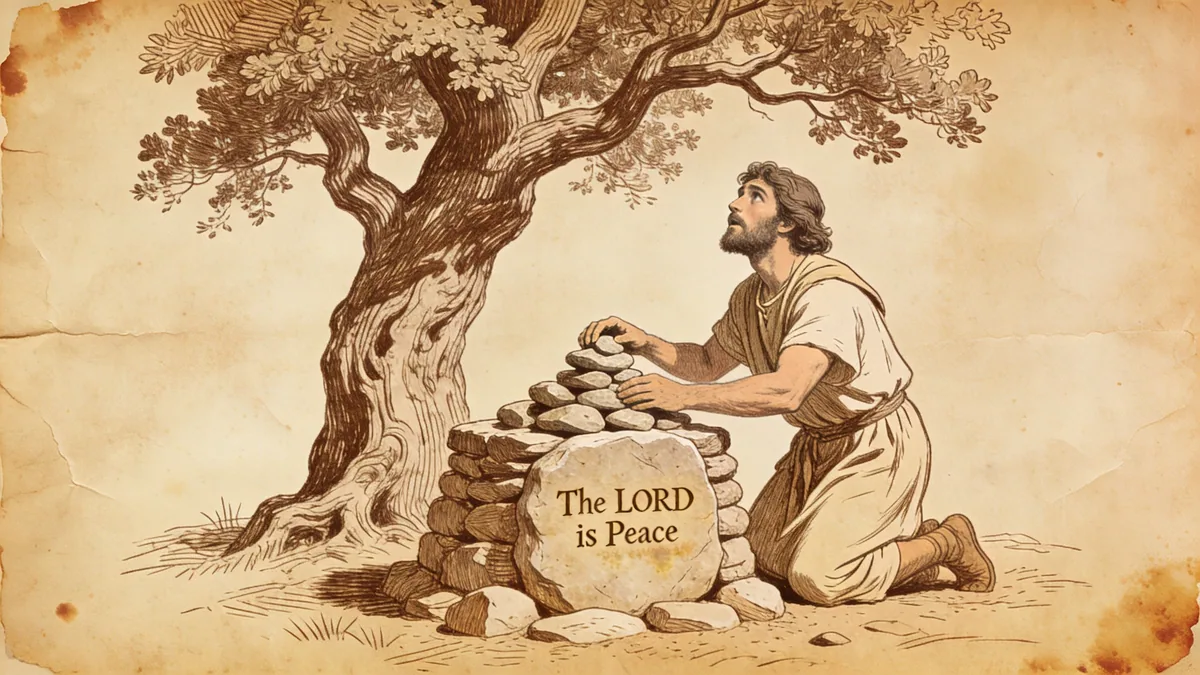
40. Judges 6:11–24
Angel to Gideon
The Angel of YHWH appears, performs a miracle with fire, and Gideon fears he has seen God.
4 renderings of this moment in the archive.


Joshua → Judges
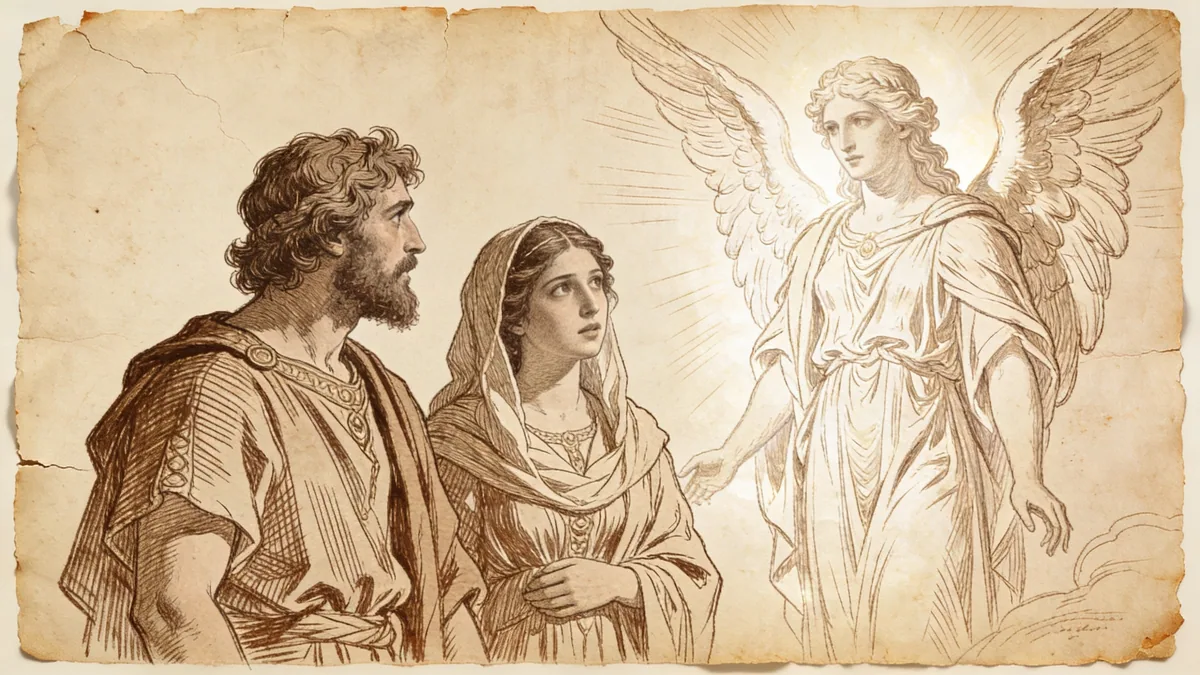
41. Judges 13:3–22
Angel to Samson’s Parents
A divine figure appears and ascends in flame—Manoah says, “We have seen God.”
4 renderings of this moment in the archive.
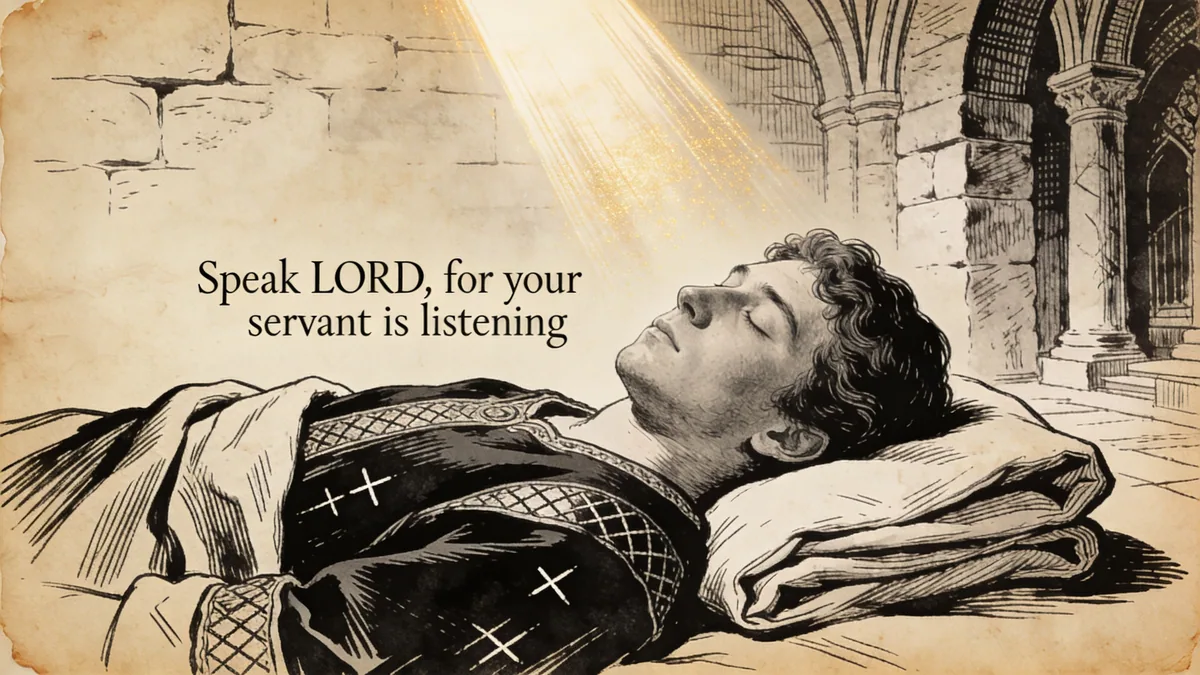
Samuel → Kings
42. 1 Samuel 3:1–10
Call of Samuel
God calls Samuel audibly at night—transition from rare appearances to prophetic hearing.
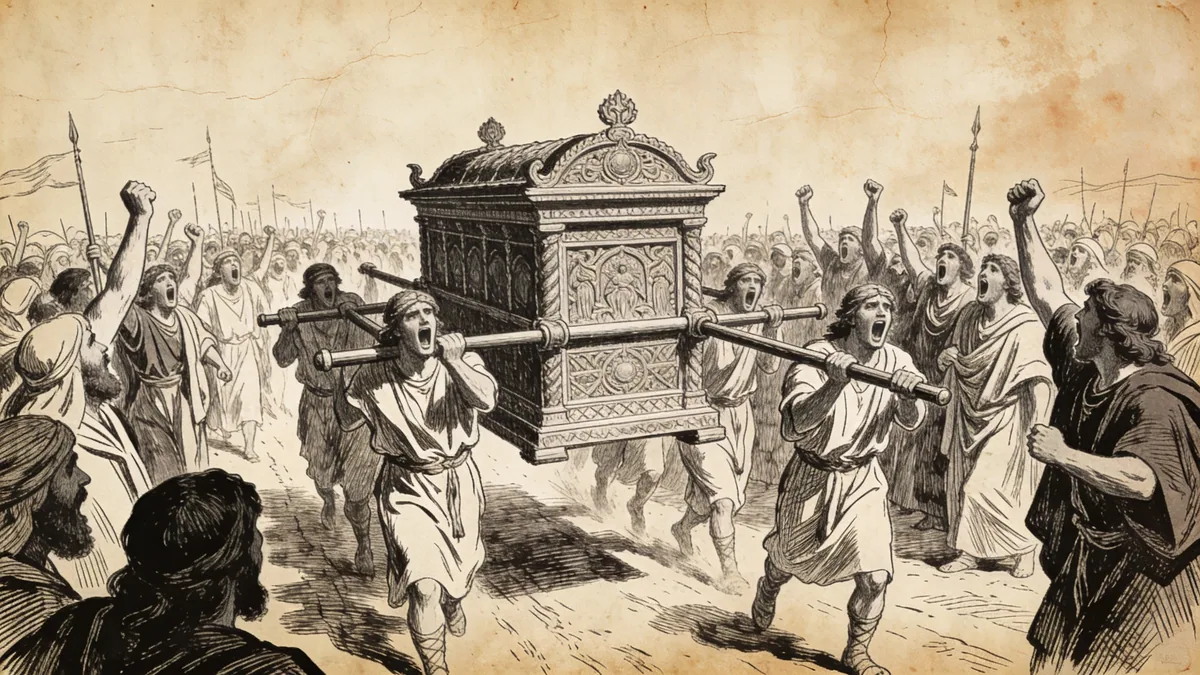


Samuel → Kings
43. 1 Samuel 4:4
Presence at the Ark
Israel believes God’s presence accompanies the Ark—showing theological development of localized presence.
4 renderings of this moment in the archive.
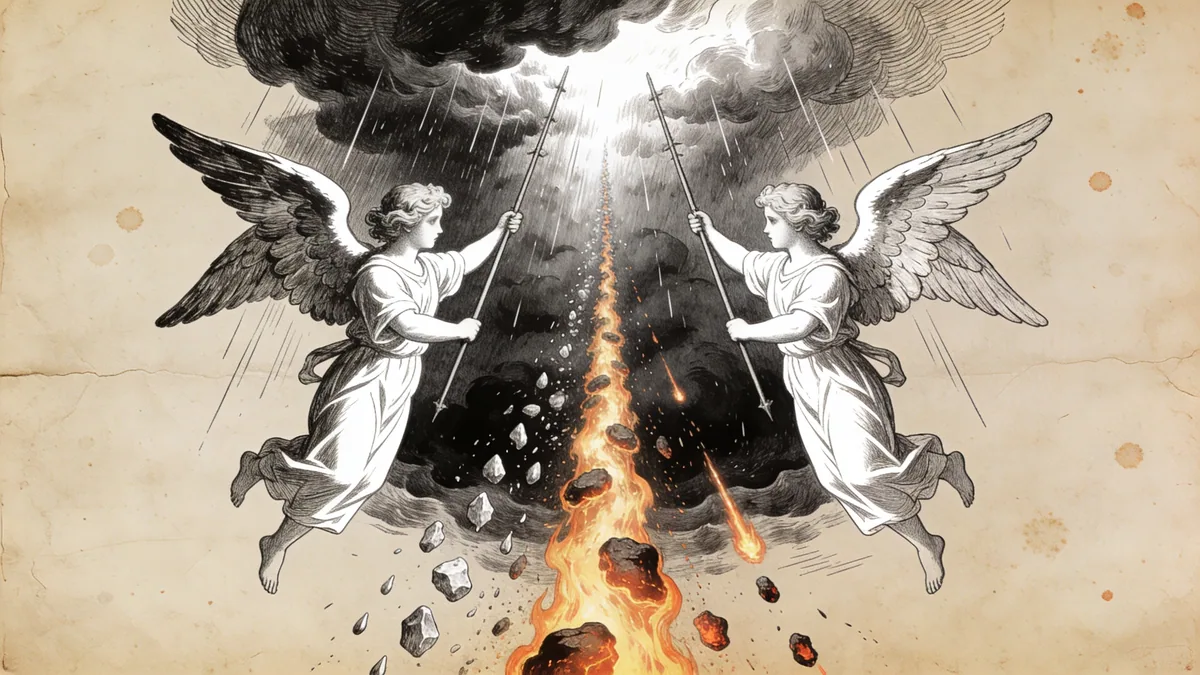


Samuel → Kings
44. 2 Samuel 22:8–16
David’s Theophanic Psalm
God is described as descending with fire, storm, and darkness—poetic cosmic manifestation.
4 renderings of this moment in the archive.
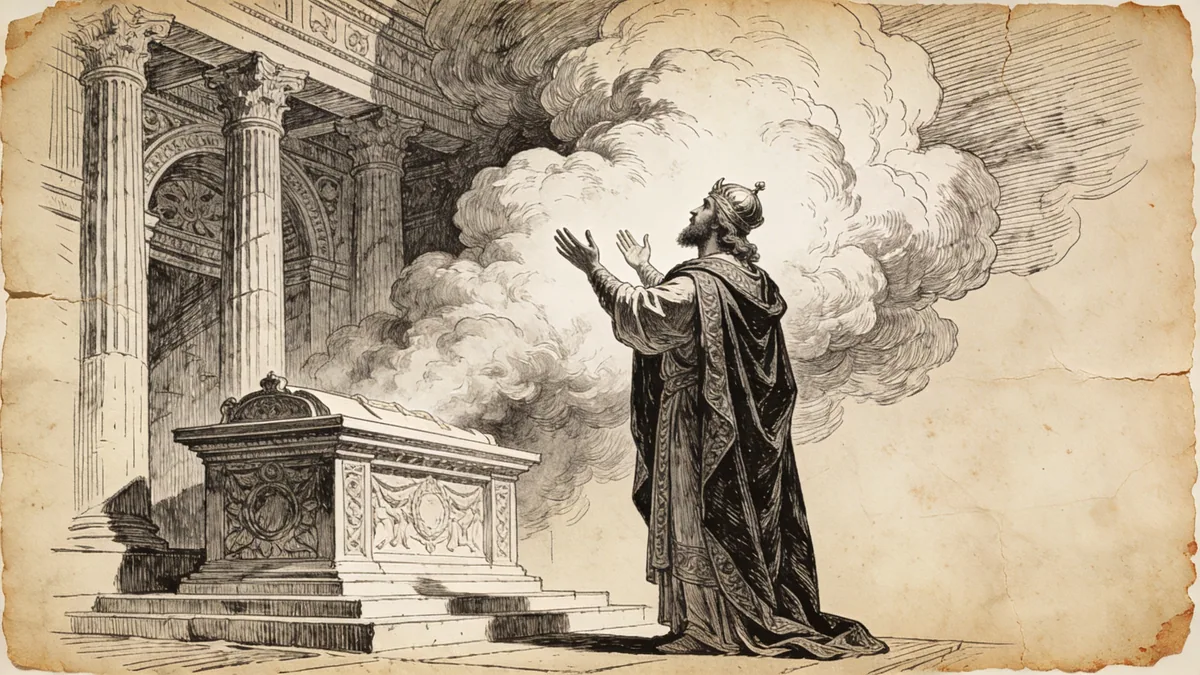


Samuel → Kings
45. 1 Kings 8:10–11
Temple Filled with Glory
At Solomon’s Temple dedication, a cloud fills the house, and priests cannot stand—echo of Tabernacle event.
4 renderings of this moment in the archive.


Samuel → Kings
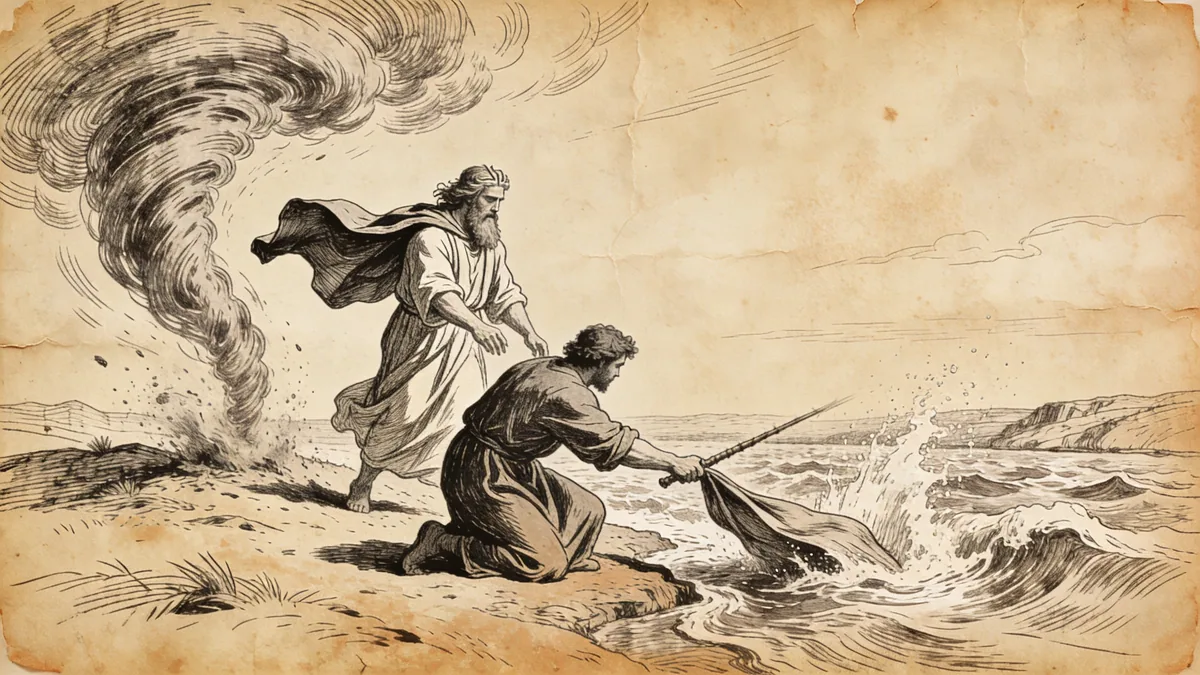
46. 2 Kings 2:11
Elijah Taken in Fire
A chariot of fire and whirlwind carries Elijah away—divine power manifested dramatically.
4 renderings of this moment in the archive.


Samuel → Kings
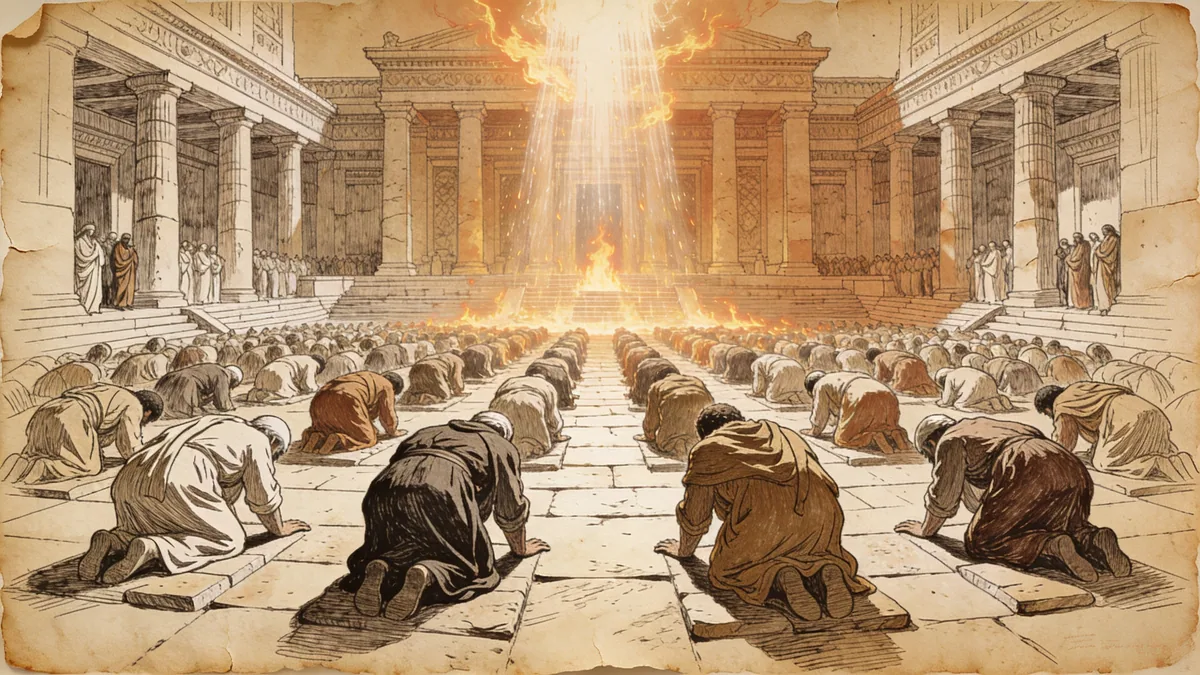
47. 2 Chronicles 7:1–3
Fire at Temple Dedication
Fire descends and glory fills the temple—confirmation of divine presence.
4 renderings of this moment in the archive.


Wisdom Literature
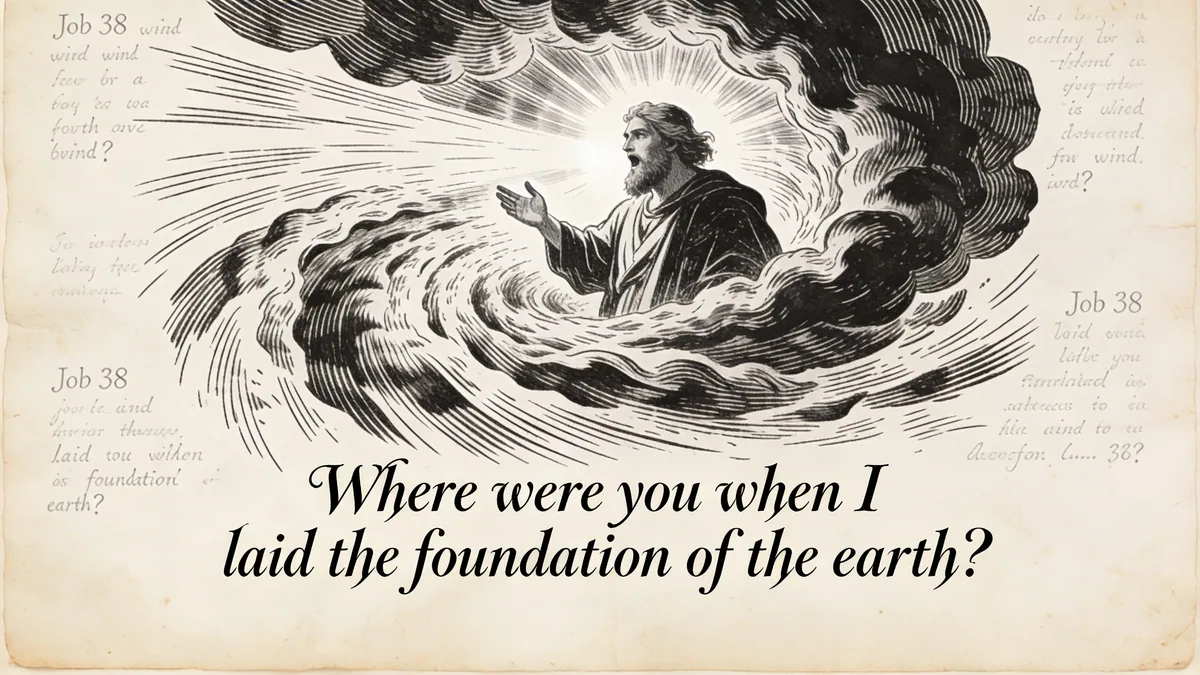
48. Job 38:1
God Speaks from the Whirlwind
God answers Job out of a storm, emphasizing overwhelming power and mystery.
4 renderings of this moment in the archive.


New Testament
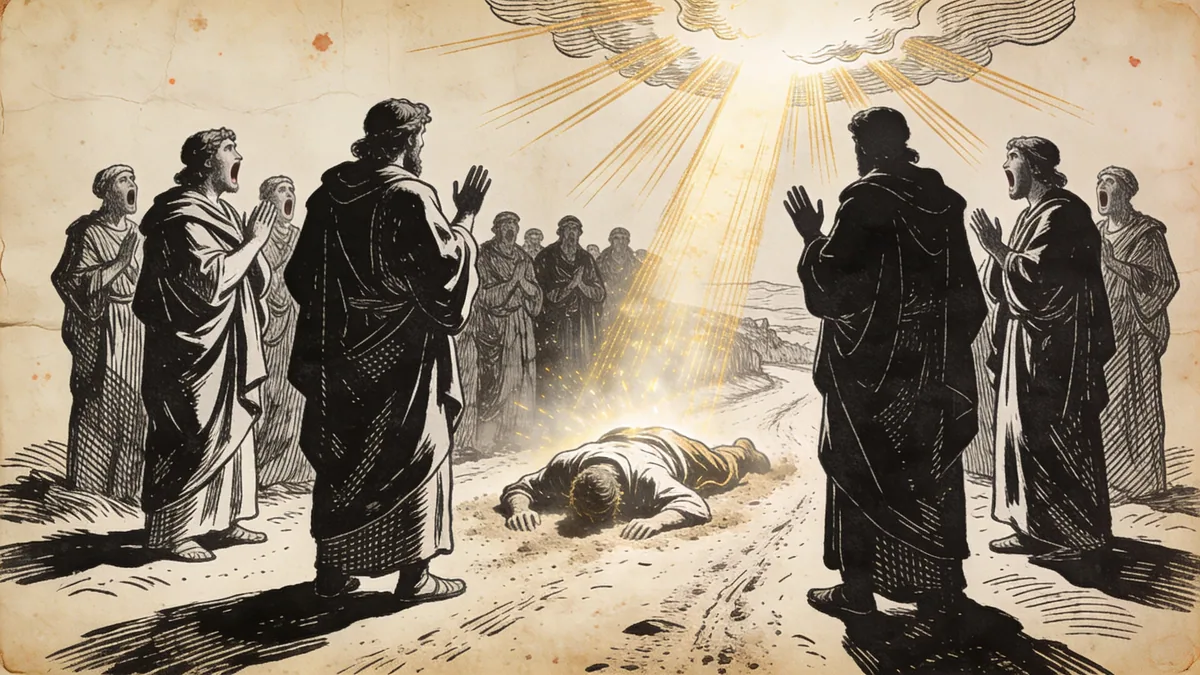
50. Acts 9:3–9
Paul’s Encounter on the Road
A blinding light from heaven and divine voice confront Saul—transformational encounter without visible form.
4 renderings of this moment in the archive.